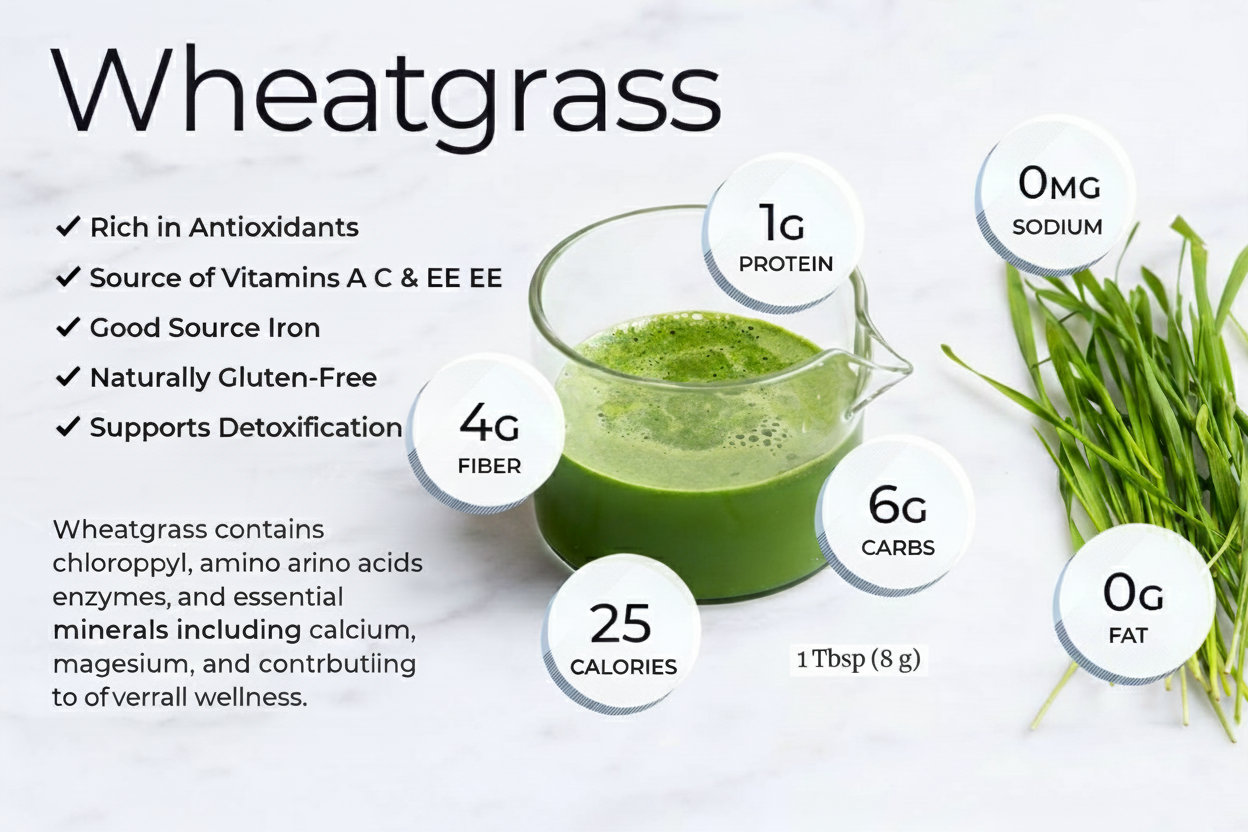
Wheatgrass: An Overview of Its Popularity and Reported Benefits
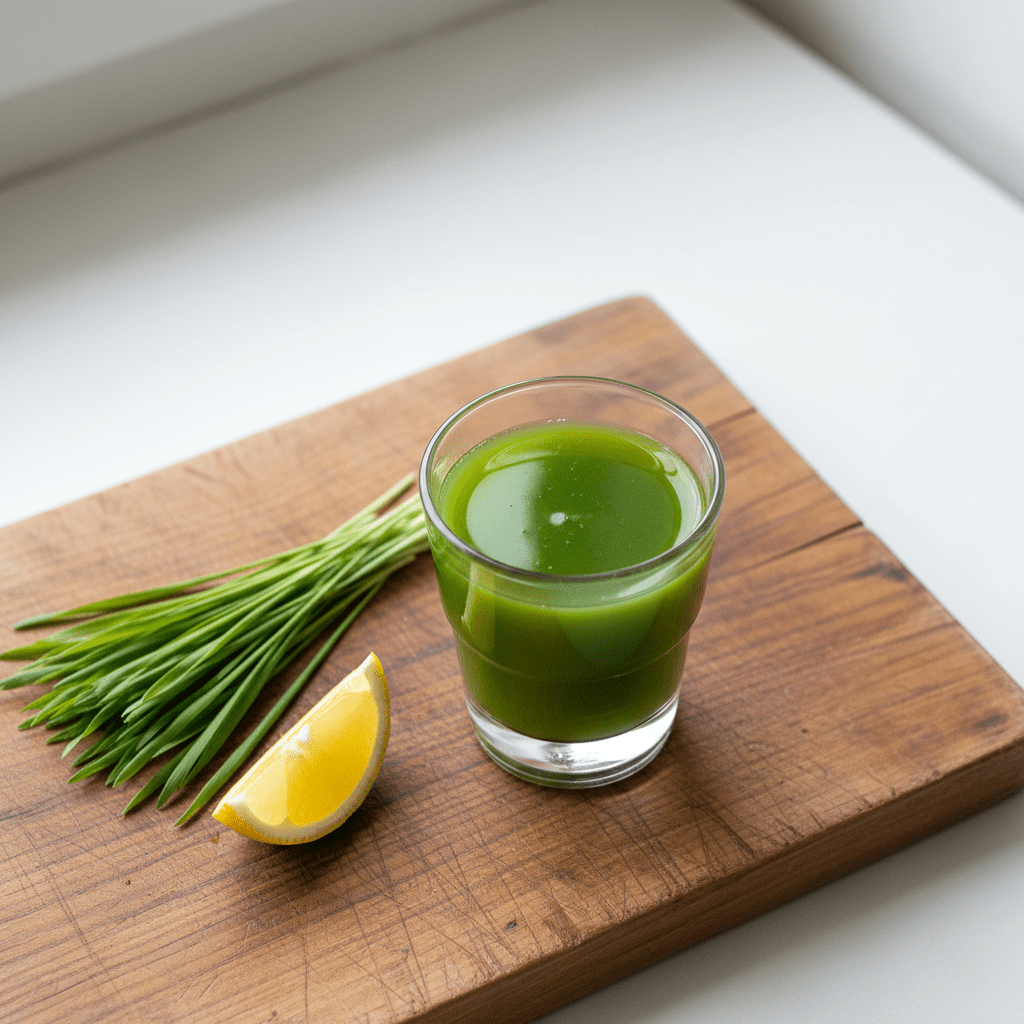
Have you ever been curious about the vibrant green juice known as wheatgrass? Often called a superfood, wheatgrass is the young grass of the wheat plant. It’s typically harvested early and consumed as a juice or powder. Many people add it to their wellness routines for its rich nutrient profile.
Before trying any new supplement, it’s helpful to learn the facts. Let’s explore what wheatgrass is and why it has gained attention.
What Is Wheatgrass?
Wheatgrass comes from the young shoots of the common wheat plant, Triticum aestivum. Unlike wheat grains, the young grass contains no gluten. People usually consume it as a fresh juice, powder, or supplement for its potential health properties.
Reported Benefits of Wheatgrass
Wheatgrass contains nutrients like vitamins, minerals, and chlorophyll. Here are some of the reasons people choose to include it in their diet:
1. Nutrient Support
It is rich in vitamins A, C, E, iron, magnesium, and chlorophyll. These nutrients support general wellness.
2. Digestive Comfort
Some find that wheatgrass aids digestion. It contains enzymes and fiber, which may help with bloating or regularity.
3. Natural Energy
Many users report feeling more energized after consuming wheatgrass. It provides nutrients without caffeine, which some prefer.
4. Skin Health
The antioxidants in wheatgrass, like chlorophyll and vitamins, may support skin health by fighting free radicals.
5. Weight Management Support
Wheatgrass is low in calories and high in nutrients, which can help with satiety. It’s often included as part of a balanced diet.
6. General Wellness
Research on wheatgrass is ongoing, but early studies suggest it may support the body’s natural defenses. It’s important to note that it is not a treatment or cure for any disease.
How to Use Wheatgrass
If you want to try wheatgrass, here are common ways to include it:
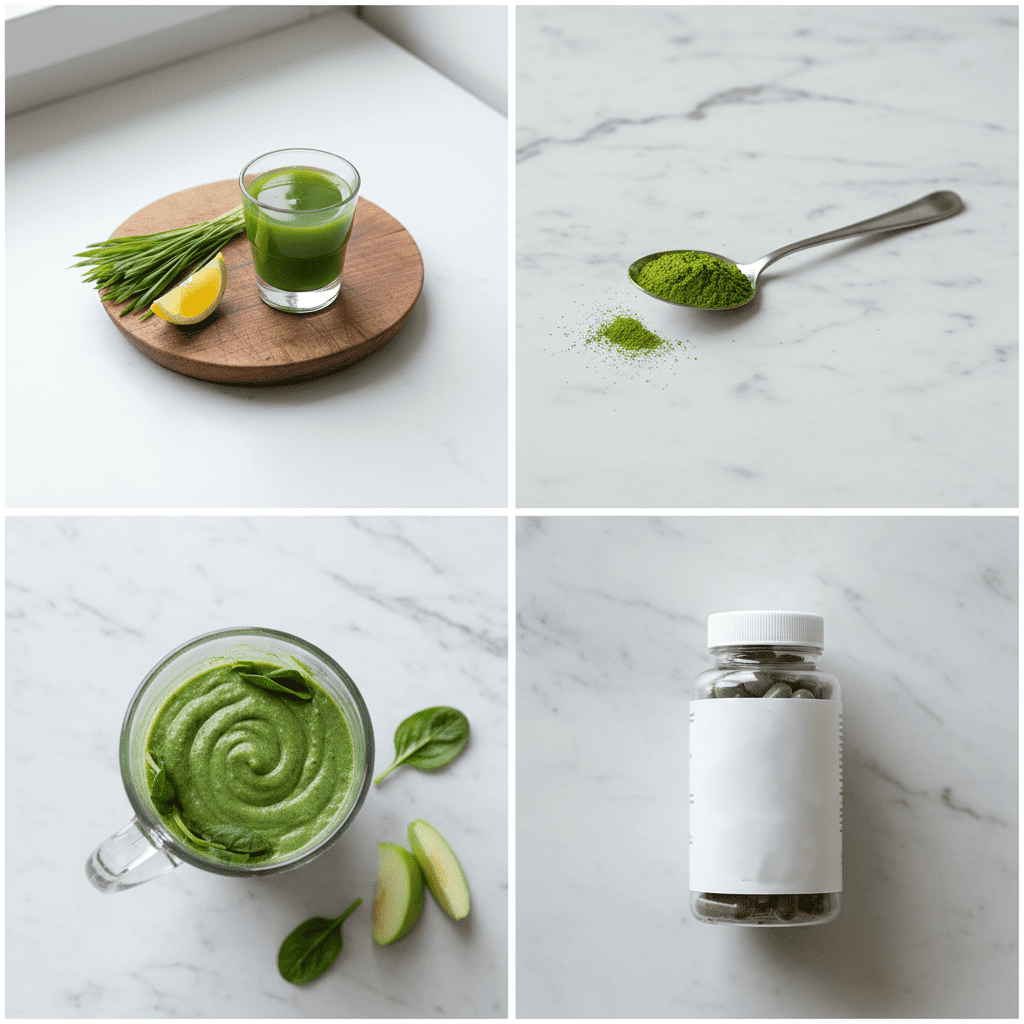
- As a juice: Use a masticating juicer for fresh wheatgrass. Start with a small amount, such as 1 ounce.
- Powder form: Mix a teaspoon of wheatgrass powder into water, juice, or a smoothie.
- In smoothies: Combine it with fruits like banana or pineapple to balance its strong flavor.
- Supplements: Capsules or tablets are available for convenience.
Important Safety Notes
While many people enjoy wheatgrass, it’s important to use it wisely.
- Start slowly to see how your body reacts.
- Some may experience mild nausea or headaches initially. If this happens, reduce the dose or stop use.
- Consult your doctor before trying wheatgrass if you are pregnant, breastfeeding, have a medical condition, or take medications.
- Always choose products from trusted sources to ensure quality and safety.
Final Thoughts
Wheatgrass is a nutrient-rich supplement that many include in their wellness routines. While it’s not a substitute for a balanced diet or medical care, it can be a supportive addition to a healthy lifestyle. If you’re curious, start with a small amount and pay attention to how you feel. And as always, speak with a healthcare provider to ensure it’s right for you.
Disclaimer: This article is for educational and informational purposes only. It reviews historical documentation and scientific literature but does not provide medical advice, diagnosis, or treatment recommendations. Never disregard professional medical advice or delay seeking it because of information presented here. The authors and website do not endorse the use of Giloy or any herbal remedy without professional medical supervision. Always consult with a qualified healthcare provider before making any health-related decisions.
Article written by Mahesh Borsaniya, founder of Borsaniya Wellness Spot. Our mission is to provide trustworthy, evidence-based wellness information rooted in natural and holistic traditions.
Read More Article: Click HERE


Leave a Reply
You must be logged in to post a comment.