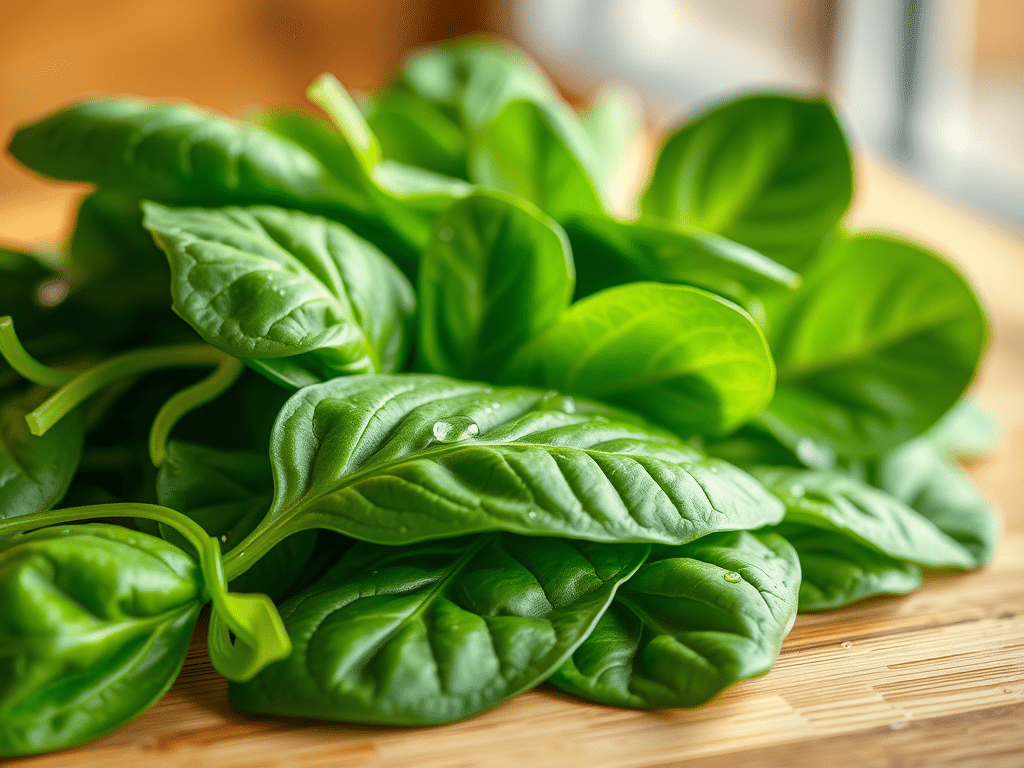
We all know the classic cartoon: Popeye pops open a can of spinach and gains instant strength. While the instant transformation is fictional, the core idea—that spinach leaves are exceptionally good for you—is backed by science. More than just a leafy green, spinach is a versatile and nutrient-dense food that can be a delicious part of a balanced diet.
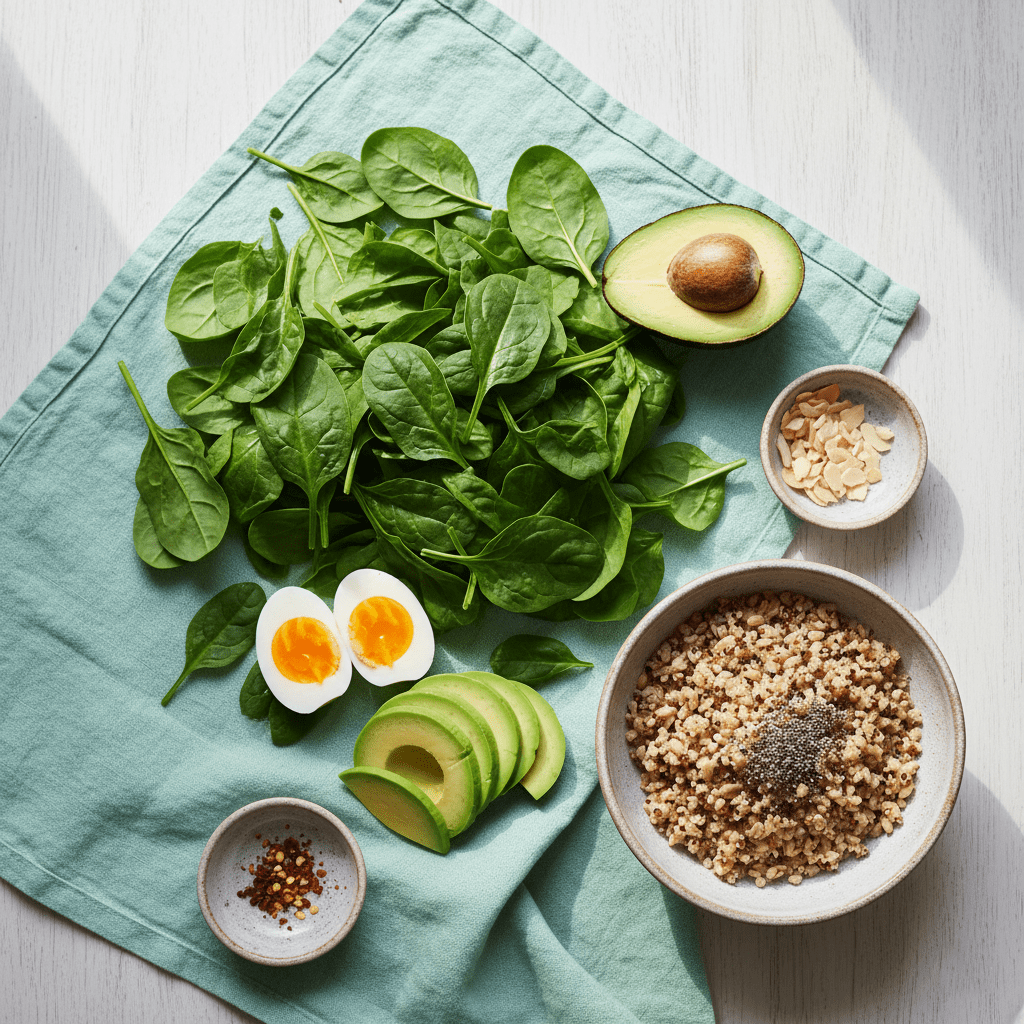
When prepared well, spinach leaves are far from bland. They can be a star ingredient in everything from smoothies and salads to sautés and soups. Let’s explore the science-backed nutritional profile of spinach and its role in supporting overall health.
1. A Dense Source of Essential Nutrients
Spinach leaves are remarkably low in calories but rich in vital vitamins and minerals, making them a nutrient-dense choice.
- Vitamin K: Important for bone health and blood clotting. Cooked spinach is an excellent source.
- Vitamin A: Spinach leaves are rich in beta-carotene, which the body converts to vitamin A, a nutrient essential for vision, immune function, and skin health.
- Iron & Magnesium: They provide plant-based iron and magnesium, minerals that support energy production and muscle function.
2. Spinach Leaves Support Heart Health
Spinach contains dietary nitrates, compounds that some studies suggest may help support healthy blood pressure levels. It also provides potassium, which helps balance sodium in the body, and folate, a B vitamin important for overall cardiovascular wellness.
3. Rich in Eye-Protecting Antioxidants
Spinach leaves are a leading source of the antioxidants lutein and zeaxanthin. These compounds accumulate in the retina, where they help filter blue light. Consuming foods rich in these antioxidants is widely recognized as a positive dietary habit for long-term eye health.
To learn more about how diet affects vision, read our guide on Foods for Healthy Eyes.
4. Contains Anti-Inflammatory Compounds
Chronic inflammation is linked to various health concerns. Spinach contains antioxidants like quercetin and kaempferol, which are known for their anti-inflammatory properties in scientific research.
For a deeper dive into fighting inflammation with food, explore our article on Anti-Inflammatory Foods.
5. Promotes Healthy Skin and Hair
The nutrients in spinach leaves contribute to the health of your skin and hair.
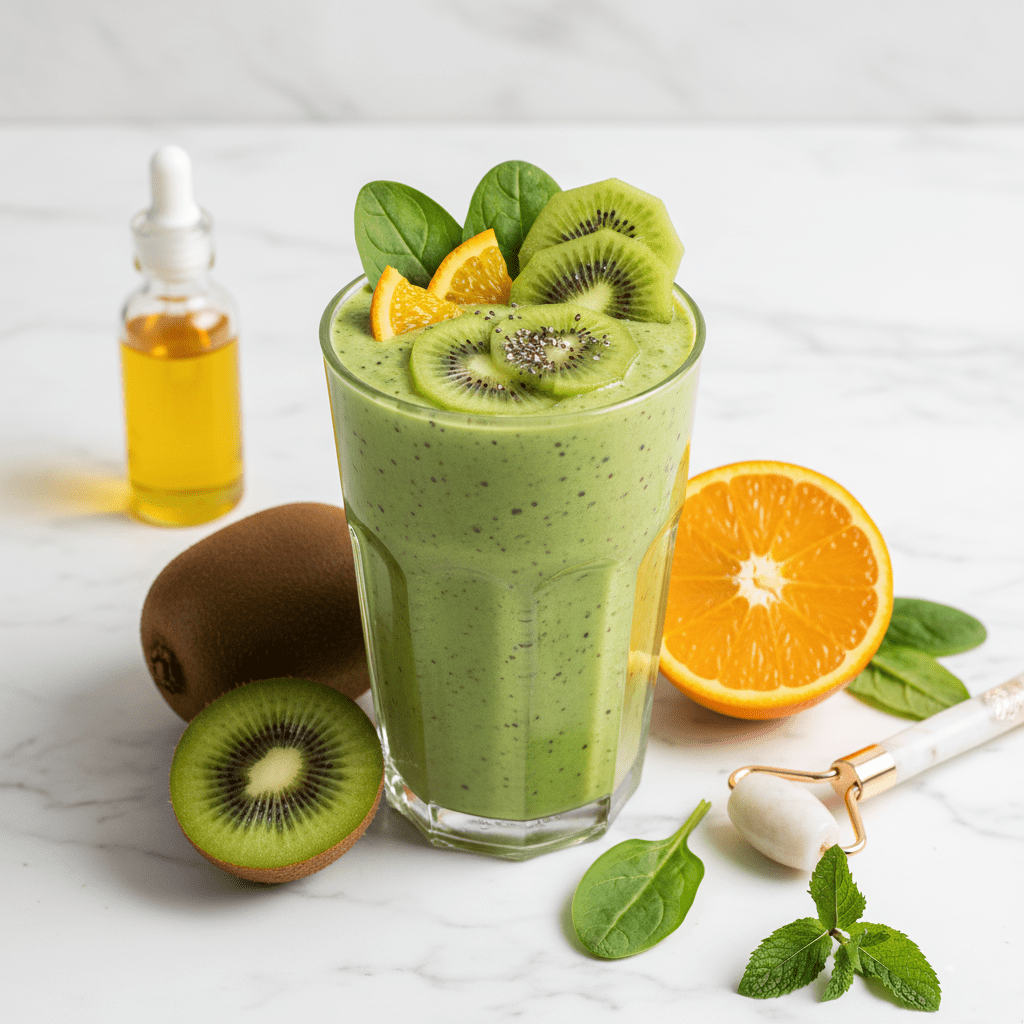
- Vitamins A and C: Vitamin A helps regulate skin cells, while vitamin C is necessary for collagen production, which provides structure to skin and hair.
- Iron: Adequate iron intake supports healthy blood flow, which delivers oxygen and nutrients to hair follicles.
6. A Source of Blood Sugar-Supporting Compounds
Spinach contains alpha-lipoic acid (ALA), an antioxidant that has been studied for its potential role in insulin sensitivity and glucose metabolism. Including spinach leaves as part of a balanced diet can be a smart choice for those monitoring their blood sugar.
7. Aids Digestion
With its high fiber and water content, spinach can help add bulk to stool and support regular bowel movements, promoting a healthy digestive system. For more tips, see our page on Foods for Digestive Health.
Raw vs. Cooked Spinach: Maximizing Benefits
Both forms have advantages:
- Raw: Ideal for salads and smoothies, preserving heat-sensitive vitamin C.
- Cooked: Steaming or sautéing helps reduce oxalic acid, which can improve the bioavailability of minerals like iron and calcium. Cooking also shrinks the volume, making it easier to eat more.
Simple Ways to Enjoy More Spinach
- Smoothies: Add a large handful of fresh spinach leaves to fruit smoothies.
- Salads: Use tender baby spinach as a nutrient-rich salad base.
- Sautés: Quickly wilt spinach with garlic and olive oil for a simple side.
- Eggs: Stir chopped spinach into omelets or scrambles.
- Soups & Sauces: Blend it into pasta sauces, soups, or curries for a hidden nutrient boost.
Important Considerations
While spinach is a highly nutritious food for most people, it’s important to note:
- It contains oxalates, which individuals with a history of certain types of kidney stones may need to moderate. For more information, the National Kidney Foundation provides resources on oxalate-containing foods.
- Its high vitamin K content plays a key role in blood clotting. Individuals taking blood-thinning medications like warfarin should maintain consistent vitamin K intake and consult their healthcare provider for personalized dietary advice.
Disclaimer: This article serves educational and informational purposes only. While it reviews historical and scientific literature, it does not provide medical advice, diagnosis, or treatment recommendations. Never disregard professional medical advice or delay seeking it based on information presented here. The authors and website do not endorse using Euphorbia hirta or any herbal remedy without professional medical supervision. Always consult a qualified healthcare provider before making health-related decisions.
Article written by Mahesh Borsaniya, founder of Borsaniya Wellness Spot. Our mission is to provide trustworthy, evidence-based wellness information rooted in natural and holistic traditions.
Read More Article: Click HERE


Leave a Reply
You must be logged in to post a comment.