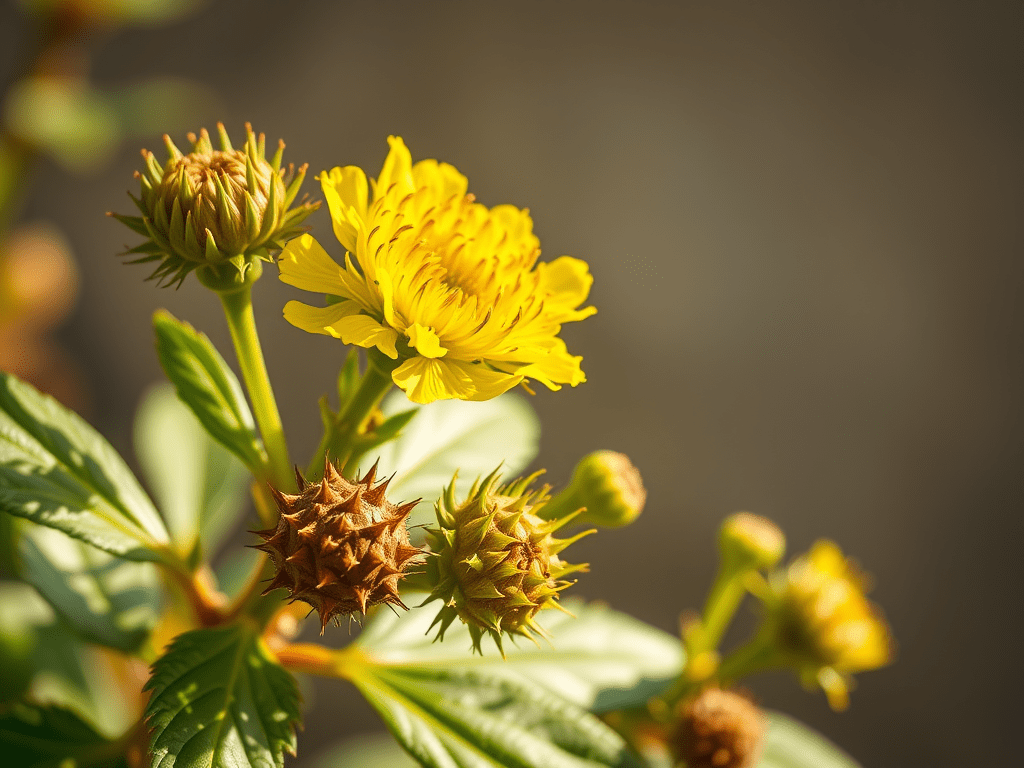
In the vast and ancient world of Ayurvedic medicine, certain herbs stand out for their remarkable versatility and profound healing potential. Among these, Gokshura (Tribulus terrestris), also known as puncture vine, holds a place of high esteem. This humble, ground-covering plant acts as a comprehensive Rasayana—a rejuvenating tonic. Today, health enthusiasts celebrate the myriad Gokshura benefits, which span from boosting energy and libido to supporting kidney and heart health. This article explores why this ancient herb remains profoundly relevant for your holistic wellness routine.
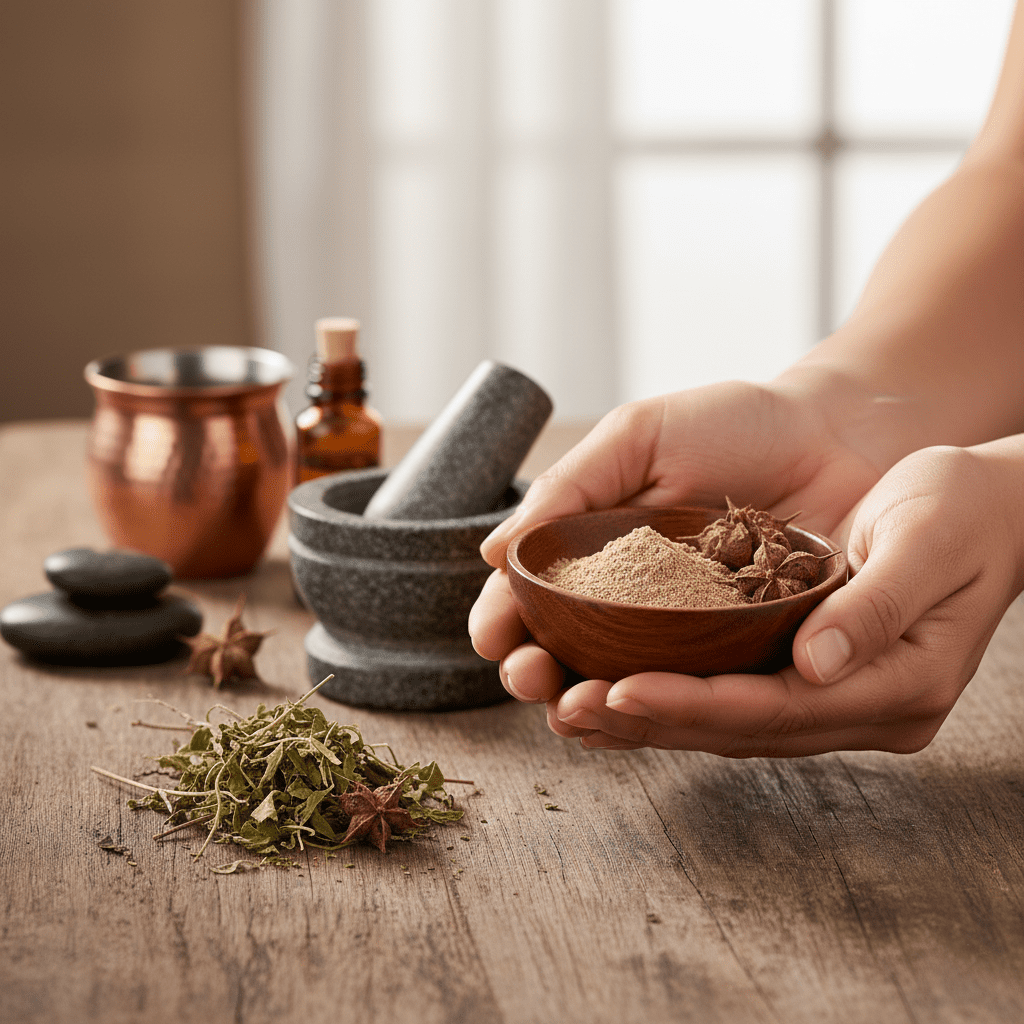
What is Gokshura? A Botanical Snapshot
Gokshura is a small, ground-hugging herb belonging to the Zygophyllaceae family. You can easily identify the plant by its bright yellow flowers and its hard, spiny fruit. Interestingly, the fruit resembles a medieval weapon called a caltrop, which led to its common English name, “puncture vine.”
In the traditional healing systems of India, practitioners use almost every part of the plant—roots, leaves, and fruits—medicinally. Its Sanskrit name translates to “cow’s hoof,” likely referring to the unique shape of its fruit. Whether you call it Gokhru (Hindi) or Nerunjil (Tamil), the plant remains a staple in natural pharmacies across the globe.
Key Ayurvedic Properties (Gunadharma)
Ayurveda classifies herbs based on their inherent qualities. These qualities determine how the herb interacts with your body. Gokshura possesses a unique profile that explains its wide range of uses:
- Rasa (Taste): Madhura (Sweet)
- Virya (Potency): Sheeta (Cooling)
- Dosha Effect: Tridoshahara (It helps pacify Vata, Pitta, and Kapha).
Because it has a cooling potency, it effectively soothes aggravated Pitta (heat) and Vata (air). Meanwhile, its natural diuretic properties help balance Kapha (water). For a deeper look at similar balancing herbs, see our guide on Ashwagandha and Vitality.
The Core Gokshura benefits: Traditional Uses
For millennia, Ayurvedic doctors have prescribed this herb for a stunning array of conditions. Ancient texts like the Charaka Samhita document these actions, forming the foundation of modern applications.
1. The Ultimate Urinary Tonic
Gokshura serves as a powerful yet gentle diuretic. It promotes the production and flow of urine, which helps to cleanse the entire urinary tract. Consequently, it is the primary choice for:
- Urinary Tract Infections (UTIs): Its cooling properties soothe burning sensations.
- Kidney Stones (Ashmari): Traditional wisdom suggests the spiky fruit helps break down and expel stones.
- Kidney Protection: It acts as a nephroprotective agent, shielding kidney tissues from damage.
2. Vitality and Reproductive Health
In Ayurveda, Gokshura is a premier Vajikarana (aphrodisiac). Practitioners use it to enhance libido and support reproductive health in both men and women. While it improves semen quality and sperm count in men, it also helps regulate menstrual cycles for women.
3. Heart and Joint Support
- Cardiovascular Health: Due to its diuretic nature, the herb helps manage blood pressure by reducing excess fluid volume.
- Anti-inflammatory Action: Its Sothahara (anti-inflammatory) properties make it a common recommendation for joint pain, arthritis, and gout.
Gokshura benefits and Modern Science
While traditional wisdom is profound, modern science seeks clinical evidence. Research on Tribulus terrestris has explored traditional claims with promising results.
| Traditional Claim | Modern Research Insight | Evidence Level |
| Diuretic Effect | Animal studies confirm it reduces urinary oxalate (stone components). | Promising |
| Libido Enhancement | Human studies show improved sexual satisfaction and desire. | Moderate |
| Anti-inflammatory | Lab tests confirm it blocks specific inflammatory pathways. | Strong |
| Athletic Performance | Studies find limited evidence for muscle mass increases in trained athletes. | Low |
Key Takeaway: Modern science provides strong support for Gokshura benefits regarding urinary health and inflammation. However, users should view “testosterone-boosting” claims with caution, as results vary significantly among individuals.
How to Use Gokshura: Forms and Dosage
You can find Gokshura in several convenient forms. However, you should always consult an Ayurvedic practitioner to determine the right dose for your constitution (Prakriti).
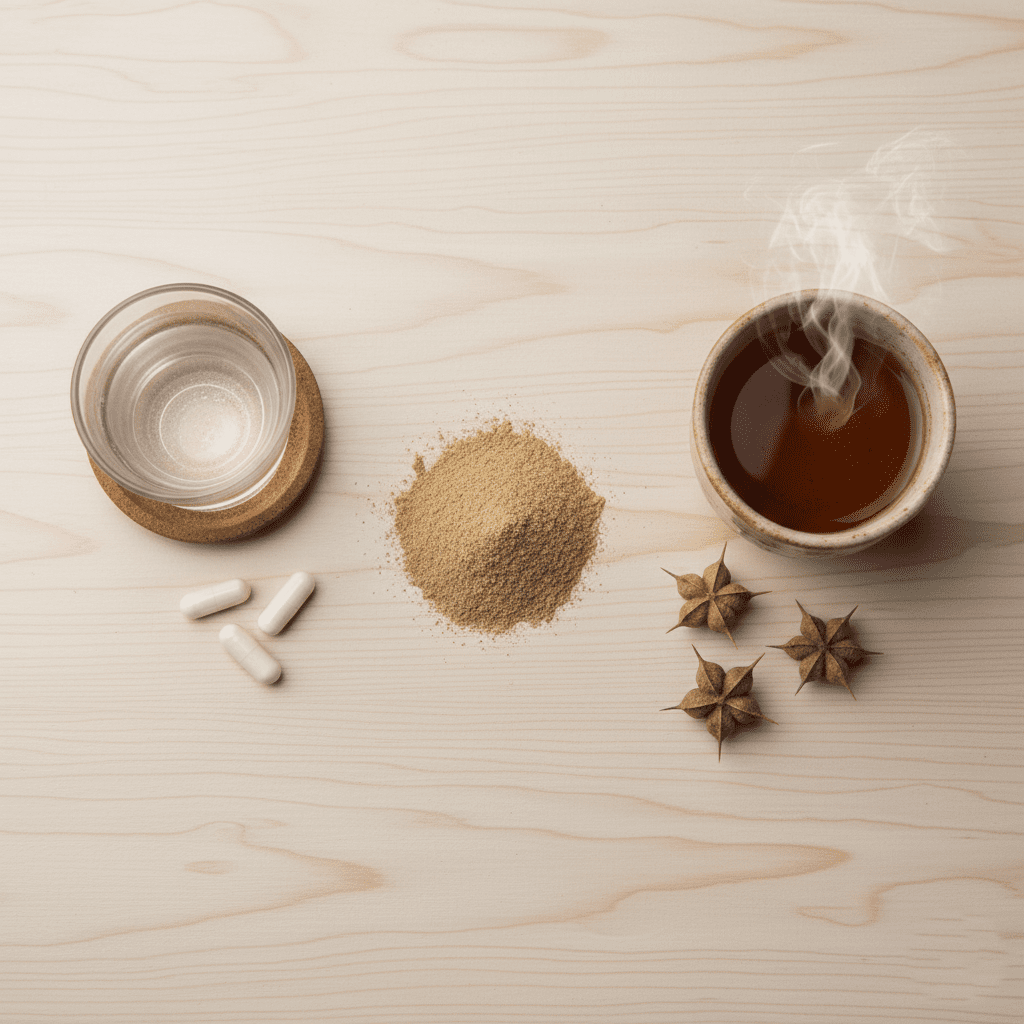
- Powder (Churna): The classic form. Mix 3 to 6 grams with warm water or honey after meals.
- Decoction (Kashayam): A potent liquid made by boiling the herb. Usually, 50–100 ml per day is recommended.
- Capsules: A modern option for busy lifestyles. Most standardized extracts suggest 250–1000 mg daily.
- Traditional Formulas: It is a key ingredient in Gokshuradi Guggulu, which specifically targets urinary and joint disorders.
Safety and Side Effects: Key Precautions
Gokshura is generally safe when you use it at recommended doses. Nevertheless, you must follow these precautions:
- Pregnancy: Professionals do not recommend its use during pregnancy or breastfeeding.
- Hormone Sensitivity: Avoid this herb if you have a history of hormone-sensitive conditions like certain cancers.
- Drug Interactions: It may interact with diabetes medications or blood thinners. Always check with your doctor if you are on a prescription regimen. You can find detailed interaction charts at the National Institutes of Health.
Conclusion: Harnessing Gokshura benefits for Modern Wellness
Gokshura stands as a testament to the sophistication of Ayurvedic medicine. It is not a magic bullet, but a powerful, balancing herb with legitimate therapeutic applications. Whether you seek to support your kidneys, reduce joint discomfort, or enhance your vitality, Gokshura serves as a valuable ally.
By respecting its potency and understanding the science, you can make Gokshura benefits a central part of your journey toward holistic health.
Disclaimer: This article is for educational and informational purposes only. It reviews historical documentation and scientific literature but does not provide medical advice, diagnosis, or treatment recommendations. Never disregard professional medical advice or delay seeking it because of information presented here. The authors and website do not endorse the use of Giloy or any herbal remedy without professional medical supervision. Always consult with a qualified healthcare provider before making any health-related decisions.
Article written by Mahesh Borsaniya, founder of Borsaniya Wellness Spot. Our mission is to provide trustworthy, evidence-based wellness information rooted in natural and holistic traditions.
References
Chhatre, S., Nesari, T., Kanchan, D., Somani, G., & Sathaye, S. (2014). Phytopharmacological overview of Tribulus terrestris. Pharmacognosy Reviews, 8(15), 45–51. https://doi.org/10.4103/0973-7847.125530
Sharma, P. V. (Ed.). (1998).Bhavprakash Nighantu (With elaborated Hindi commentary by K. C. Chunekar). Chaukhambha Bharati Academy.
- A classical Ayurvedic materia medica (16th century) that details the properties (Rasa, Guna, Virya, Vipaka), traditional uses, and indications for Gokshura (Gokshura). This is the primary source for the Sanskrit verses and traditional classification cited.
Neychev, V. K., & Mitev, V. I. (2005).The aphrodisiac herb Tribulus terrestris does not influence the androgen production in young men. Journal of Ethnopharmacology, 101(1-3), 319–323. https://doi.org/10.1016/j.jep.2005.05.017
A specific study often cited to show that Tribulus terrestris supplementation did not increase testosterone levels in healthy young men, supporting the cautious stance on this popular claim.
Read More Article: Click HERE
Leave a Reply
You must be logged in to post a comment.