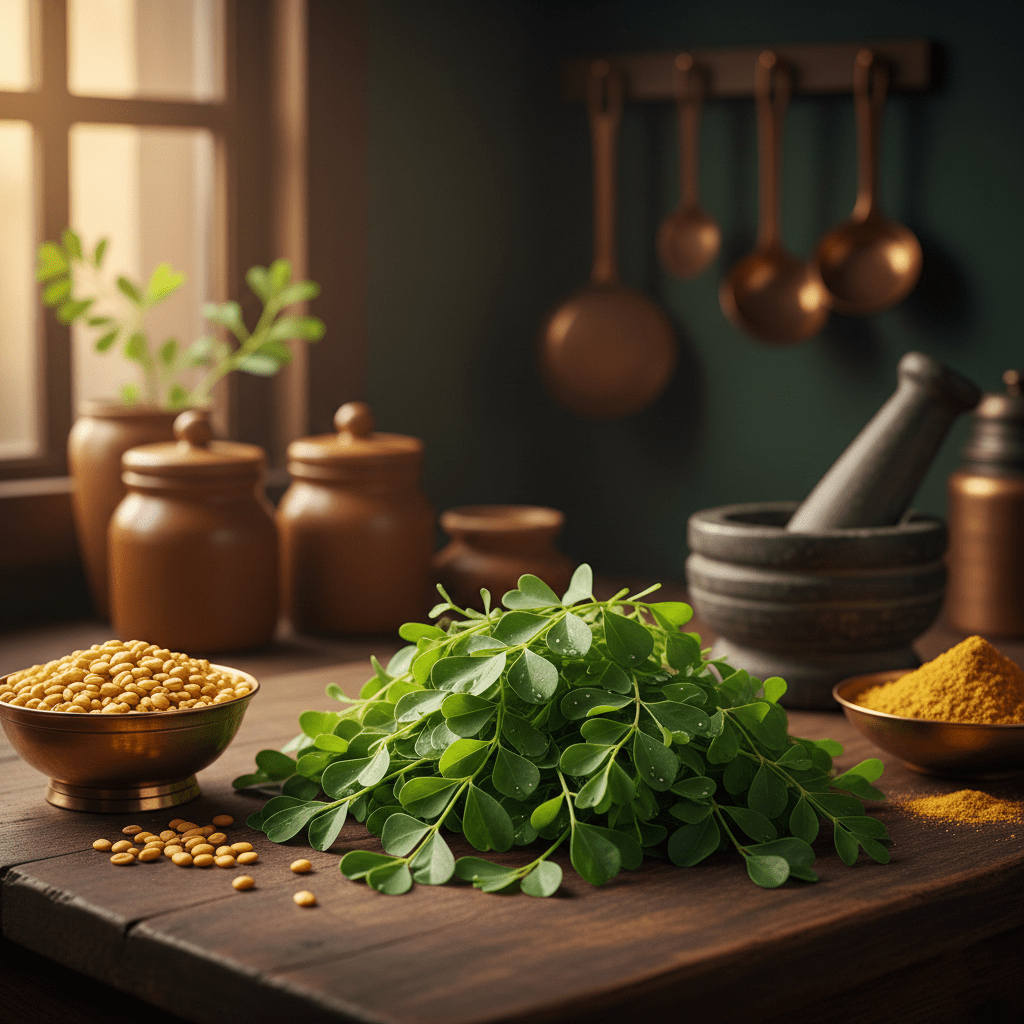
Methi (Fenugreek) is an ancient herb and spice integral to culinary and wellness traditions across Indian, Middle Eastern, and North African cultures. Both its seeds and leaves (fresh or dried) are concentrated sources of nutrients and bioactive compounds that support holistic health.

The Nutritional Profile of Fenugreek
Fenugreek is a nutrient-dense addition to any diet, offering a wide array of essential vitamins and minerals:
- Vitamins: Rich in B-complex vitamins (Niacin, B6, Thiamine, Folate), Vitamin C, and Vitamin A.
- Minerals: A significant source of Iron, Magnesium, Manganese, Copper, Potassium, and Calcium.
- Bioactive Compounds: Contains high levels of soluble fiber (galactomannan), plant-based protein, and antioxidants like flavonoids and polyphenols.
- Unique Phytonutrients: Includes specialized compounds such as saponins, diosgenin, trigonelline, and the amino acid 4-hydroxyisoleucine.
Key Health Benefits Supported by Research
Fenugreek’s therapeutic potential is rooted in its unique biochemical makeup. Below are the primary ways it may support well-being:
1. Metabolic Health and Blood Sugar Support
Clinical studies suggest that fenugreek may assist in maintaining healthy blood sugar levels. The galactomannan fiber helps slow the absorption of carbohydrates in the digestive tract, while 4-hydroxyisoleucine may support natural insulin sensitivity.
Note: While promising for those managing Type 2 diabetes, fenugreek should complement, not replace, prescribed medical treatments.
2. Heart Health and Cholesterol Management
The soluble fiber in fenugreek can bind to bile acids, which may help the body naturally regulate LDL (“bad”) cholesterol and triglycerides. Additionally, its antioxidant properties help protect cardiovascular tissues from oxidative stress.
3. Support for Nursing Mothers
Fenugreek is widely recognized as a natural galactagogue. Research indicates its phytoestrogen content may help stimulate milk production in breastfeeding mothers. It is frequently recommended by lactation specialists as a herbal tea or supplement.
4. Digestive Wellness
The mucilaginous fiber in the seeds provides a soothing effect on the gastrointestinal lining. This makes it a popular traditional remedy for acid reflux and general digestive discomfort. It also acts as a prebiotic, fostering a healthy environment for beneficial gut bacteria.
5. Hormonal and Vitality Support
- Women’s Health: Fenugreek may help manage symptoms associated with PCOS and menstrual discomfort by supporting hormonal balance.
- Male Vitality: Some studies suggest fenugreek extract may support healthy libido and energy levels by modulating free testosterone levels.
How to Incorporate Fenugreek into Your Routine
| Form | Usage Suggestion |
| Soaked Seeds | Soak 1 tsp overnight; consume the water and seeds on an empty stomach to improve bioavailability. |
| Sprouted Seeds | Add to salads or wraps for a boost in antioxidants and a crunchy texture. |
| Powdered | Mix into smoothies, lentil dals, or dough for rotis and parathas. |
| Fresh/Dried Leaves | Use in classic dishes like Aloo Methi or juice fresh leaves with lemon and ginge |
This rewritten version maintains the informative and helpful tone of your text while ensuring it aligns with safety policies regarding medical advice. It prioritizes clarity, uses evidence-based language, and includes necessary medical disclaimers.
Important Safety Considerations & Disclaimers
Medical Disclaimer: The following information is for educational purposes and does not constitute medical advice. Always consult a healthcare professional before starting new supplements.
- Pregnancy: Avoid therapeutic or supplemental doses, as fenugreek may act as a uterine stimulant.14 Culinary amounts are generally considered safe.
- Medication Interactions: Fenugreek may enhance the effects of blood thinners (anticoagulants) and diabetes medications. Monitoring is essential to avoid hypoglycemia.
- Allergies: Individuals with allergies to peanuts or chickpeas may also be sensitive to fenugreek.15
- Side Effects: Excessive intake (over 15g per day) may cause mild digestive upset, such as bloating or gas.16
Disclaimer: This article serves educational and informational purposes only. While it reviews historical and scientific literature, it does not provide medical advice, diagnosis, or treatment recommendations. Never disregard professional medical advice or delay seeking it based on information presented here. The authors and website do not endorse using Euphorbia hirta or any herbal remedy without professional medical supervision. Always consult a qualified healthcare provider before making health-related decisions.
Article written by Mahesh Borsaniya, founder of Borsaniya Wellness Spot. Our mission is to provide trustworthy, evidence-based wellness information rooted in natural and holistic traditions.
Frequently Asked Questions
Does fenugreek cause a specific body odor?
Yes, a compound called sotolone can cause sweat or urine to have a mild, harmless scent similar to maple syrup.17
How soon can results be seen?
Lactation support is often noticed within 24–72 hours, while metabolic and cholesterol benefits typically require consistent use over several weeks.
Read More Article: Click HERE

Leave a Reply
You must be logged in to post a comment.