A Deep Dive into the Fungi Kingdom with Mahesh Borsaniya
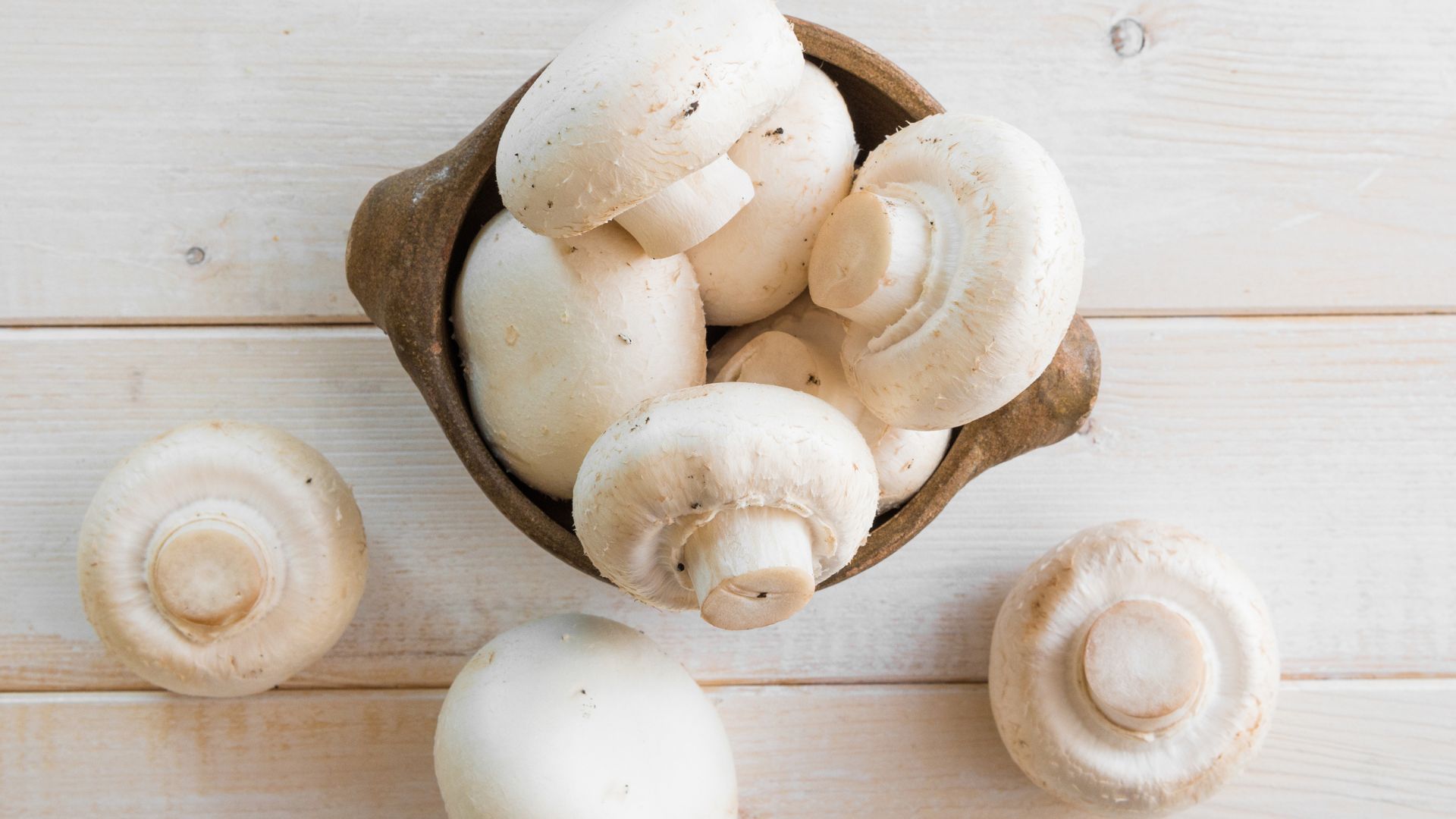
For centuries, mushrooms have existed in the shadows of our forests and the fringes of our folklore. Often misclassified as vegetables, these organisms belong to their own unique biological realm: the Fungi Kingdom. Today, modern science is finally catching up to ancient wisdom, revealing that mushrooms are not just a culinary garnish—they are a biological marvel.
At Borsaniya Wellness Spot, we believe in bridging the gap between nature’s raw potential and your daily health. Whether you are a vegan looking for “meaty” textures or a wellness enthusiast seeking cognitive support, mushrooms offer a concentrated source of life-changing nutrients.
1. The Biological Blueprint: Why Mushrooms are Unique
Mushrooms are neither plant nor animal. Unlike plants, they do not require sunlight to create energy through photosynthesis; instead, they “breathe” oxygen and digest organic matter. This unique metabolic process allows them to synthesize compounds—like ergothioneine and beta-glucans—that are rarely found in the plant kingdom.
The Low-Calorie, High-Impact Profile
From a nutritional standpoint, mushrooms are a “dream food.” They are:
- Naturally Low-Sodium: Ideal for heart health and reducing water retention.
- Fat-Free & Cholesterol-Free: A safe bulk-adding ingredient for weight management.
- Fiber-Rich: They contain chitin and hemicellulose, fibers that feed your gut microbiome.
2. Strengthening the Shield: Immune-Supporting Compounds
Perhaps the most famous attribute of mushrooms is their ability to “tune” the human immune system. They don’t just “boost” immunity; they modulate it, meaning they help the body stay vigilant without overreacting.
The Power of Beta-Glucans
Found in high concentrations in varieties like Shiitake and Maitake, beta-glucans are complex sugars located in the cell walls of fungi. Research suggests these compounds activate macrophages and “natural killer” cells, the body’s first line of defense against pathogens.
Master Antioxidants: Ergothioneine and Glutathione
Mushrooms are the highest dietary source of ergothioneine, a “master antioxidant.” Unlike many other antioxidants that are destroyed by high heat, ergothioneine is heat-stable, meaning you still get the benefits after sautéing or grilling your mushrooms. These antioxidants hunt down free radicals, reducing the cellular “rust” (oxidative stress) that leads to chronic inflammation.
3. The “Sunlight” Food: A Rare Source of Vitamin D
In a world where Vitamin D deficiency is a global epidemic, mushrooms offer a fascinating solution. They are the only “produce” item capable of producing Vitamin D when exposed to sunlight.
The UV Secret
Mushrooms contain a compound called ergosterol. When exposed to ultraviolet (UV) light—either from the sun or a UV lamp—this compound converts into Vitamin D2.
- Pro Tip: If you buy store-bought mushrooms, placing them in the sunlight on your windowsill for 30–60 minutes before cooking can significantly boost their Vitamin D levels. This is crucial for calcium absorption, bone density, and mood regulation during winter months.
4. Heart Health: The “Umami” Meat Substitute
Heart disease remains a leading global health concern. Mushrooms support cardiovascular wellness through the “Swap Strategy.”
Reducing Saturated Fats
By using the “Blenditarian” approach—mixing finely chopped mushrooms with ground meat—you can reduce the fat and calorie content of a meal by up to 50% without sacrificing flavor. The Umami (savory) taste of mushrooms mimics the richness of meat, satisfying the palate while lowering cholesterol intake.
Blood Pressure Regulation
Mushrooms are an excellent source of Potassium. Potassium helps ease tension in your blood vessels and counteracts the negative effects of excess salt (sodium), making it a cornerstone mineral for maintaining healthy blood pressure levels.
5. Brain Food: Neuroprotection and Cognitive Longevity
As we age, protecting our brain health becomes paramount. Recent longitudinal studies have looked at the consumption of mushrooms and their link to cognitive decline.
The Ergothioneine Connection
Research published in the Journal of Alzheimer’s Disease suggests that individuals who consume more than two portions of mushrooms per week may have a reduced risk of mild cognitive impairment. The neuroprotective properties of fungal antioxidants help protect the delicate neurons in the brain from inflammation, potentially slowing the aging process of the mind.
6. Metabolic Mastery: B Vitamins and Weight Management
Mushrooms are a natural “B-Complex” supplement. They provide:
- Riboflavin (B2): Great for healthy red blood cells.
- Niacin (B3): Supports the digestive system and skin health.
- Pantothenic Acid (B5): Essential for the nervous system and helping the body get energy from the food we eat.
Because mushrooms are “high volume” but “low calorie,” they are a secret weapon for weight management. They allow you to eat a satisfyingly large portion of food while keeping your total caloric intake low.
7. A Gourmet Guide: Which Mushroom Should You Choose?
| Principle | Nutrient Value | Percent of RDA |
|---|---|---|
| Energy | 22 Kcal | 1% |
| Carbohydrates | 3.26 g | 2.5% |
| Protein | 2.18 g | 4% |
| Total Fat | 0.34 g | 1% |
| Dietary Fiber | 1 g | 3% |
| Vitamins | ||
| Folates | 17 μg | 4% |
| Niacin | 3.607 mg | 23% |
| Pantothenic acid | 1.497 mg | 27% |
| Pyridoxine (B-6) | 0.104 mg | 8% |
| Riboflavin | 0.402 mg | 31% |
| Thiamin | 0.81 mg | 7% |
| Vitamin A | 0 IU | 0% |
| Vitamin C | 2.1 mg | 3.5% |
| Vitamin D | 7 IU mg | 1% |
| Vitamin E | 0 mg | 0% |
| Vitamin K | 0 μg | 0% |
| Electrolytes | ||
| Sodium | 5 mg | 0.5% |
| Potassium | 318 mg | 7% |
| Minerals | ||
| Calcium | 3 mg | <1% |
| Copper | 0.318 mg | 35% |
| Iron | 0.50 mg | 6% |
| Magnesium | 9 mg | 2% |
| Manganese | 0.047 mg | <1% |
| Phosphorus | 86 mg | 12% |
| Selenium | 9.3 μg | 17% |
| Zinc | 0.52 mg | 15% |
8. Culinary Tips for Maximum Nutrition
To get the most out of your fungi, follow these “Chef’s Secrets”:
- Don’t Soak Them: Mushrooms are like sponges. If you soak them in water, they become soggy. Instead, use a damp paper towel to wipe away any dirt.
- Cook Them Thoroughly: While some mushrooms can be eaten raw, cooking breaks down the tough cell walls (chitin), making the nutrients more bioavailable to your body.
- The “Dry Sauté”: Start cooking mushrooms in a pan with no oil. Let them release their moisture first, then add your healthy fats (like olive oil or ghee) and seasonings.
A Note of Caution and Care
At Borsaniya Wellness Spot, your safety is our priority. While mushrooms are a nutritional treasure, there are rules to follow:
- Never Forage Alone: Never eat a wild mushroom unless it has been identified by a certified mycologist. Many toxic mushrooms look identical to edible ones.
- Medical Consultation: If you are taking blood-thinning medication or have a mushroom allergy, always consult your doctor before increasing your intake significantly.
Disclaimer: This article is for educational and informational purposes only. It does not provide medical advice or treatment. The mission of Mahesh Borsaniya and Borsaniya Wellness Spot is to provide trustworthy, evidence-based wellness information. Always seek the advice of a qualified healthcare provider regarding a medical condition.
Conclusion: Embrace the Fungi Revolution
The humble mushroom is proof that some of the world’s most powerful medicine grows right beneath our feet. By inviting a variety of mushrooms into your kitchen, you aren’t just adding flavor—you are adding a layer of biological protection to your life.
Ready to start your wellness journey?
Try swapping half of your meat for chopped Cremini mushrooms in your next meal. Your heart, your brain, and your taste buds will thank you.
Disclaimer: This article serves educational and informational purposes only. While it reviews historical and scientific literature, it does not provide medical advice, diagnosis, or treatment recommendations. Never disregard professional medical advice or delay seeking it based on information presented here. The authors and website do not endorse using Euphorbia hirta or any herbal remedy without professional medical supervision. Always consult a qualified healthcare provider before making health-related decisions.
Authored by Mahesh Borsaniya, Founder of Borsaniya Wellness Spot. Dedicated to natural, holistic, and evidence-based living.
1: Is it better to eat mushrooms raw or cooked?
Ans: While some varieties can be eaten raw, it is highly recommended to cook mushrooms. Fungi cell walls are made of chitin (the same substance found in crab shells), which is hard for humans to digest. Cooking breaks down these walls, releasing the antioxidants, proteins, and vitamins so your body can absorb them effectively.
Read More Article: Click HERE