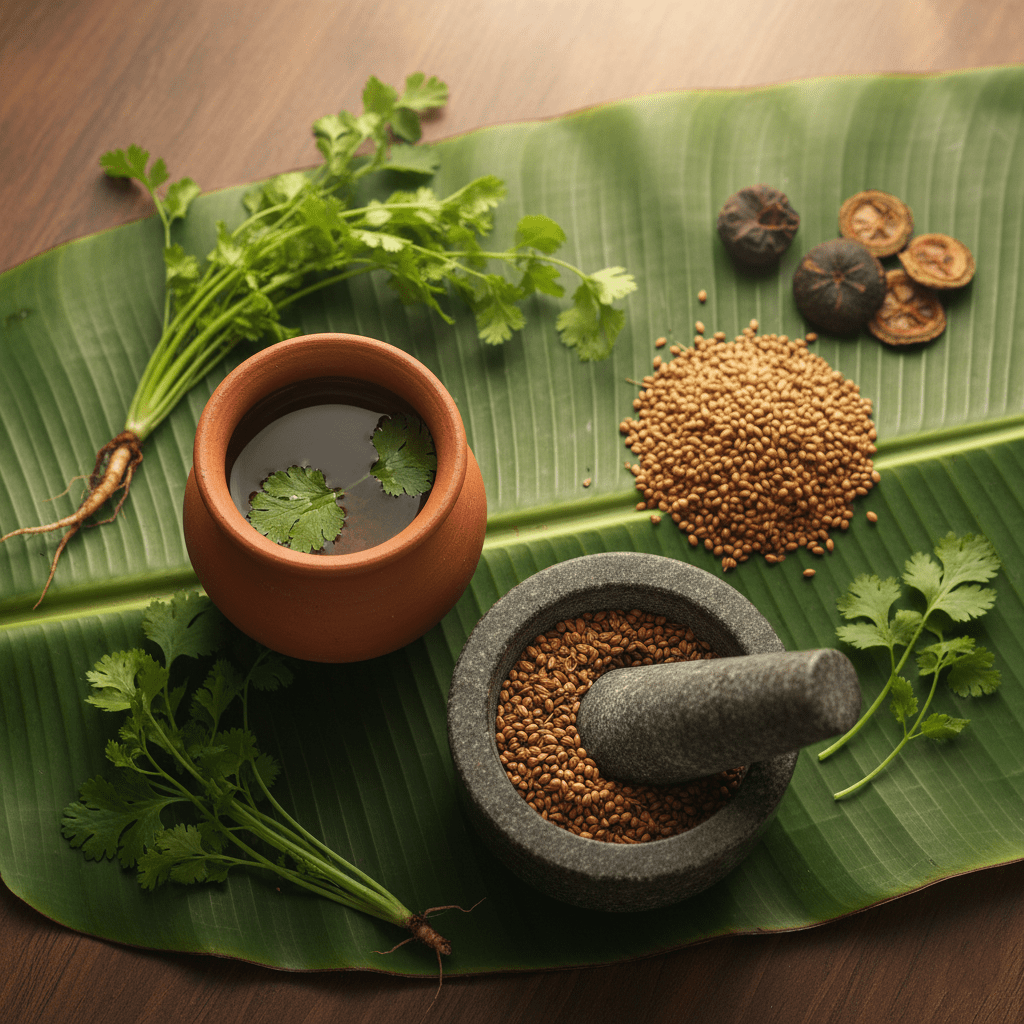
Dhania, known in English as Coriander (Coriandrum sativum), and in Sanskrit as Dhanyaka, is far more than a culinary herb. For thousands of years, Ayurveda has utilized both its fresh leaves (cilantro) and dried seeds to support digestion, cool the body, purify the blood, and promote urinary health.
Modern science now validates this ancient wisdom. For instance, clinical studies on pre-diabetic individuals have shown that daily consumption of coriander seed powder can significantly reduce average fasting blood sugar levels (showcasing a drop from approximately 119.65 mg/dL to 111.92 mg/dL), proving its potent role in metabolic health.
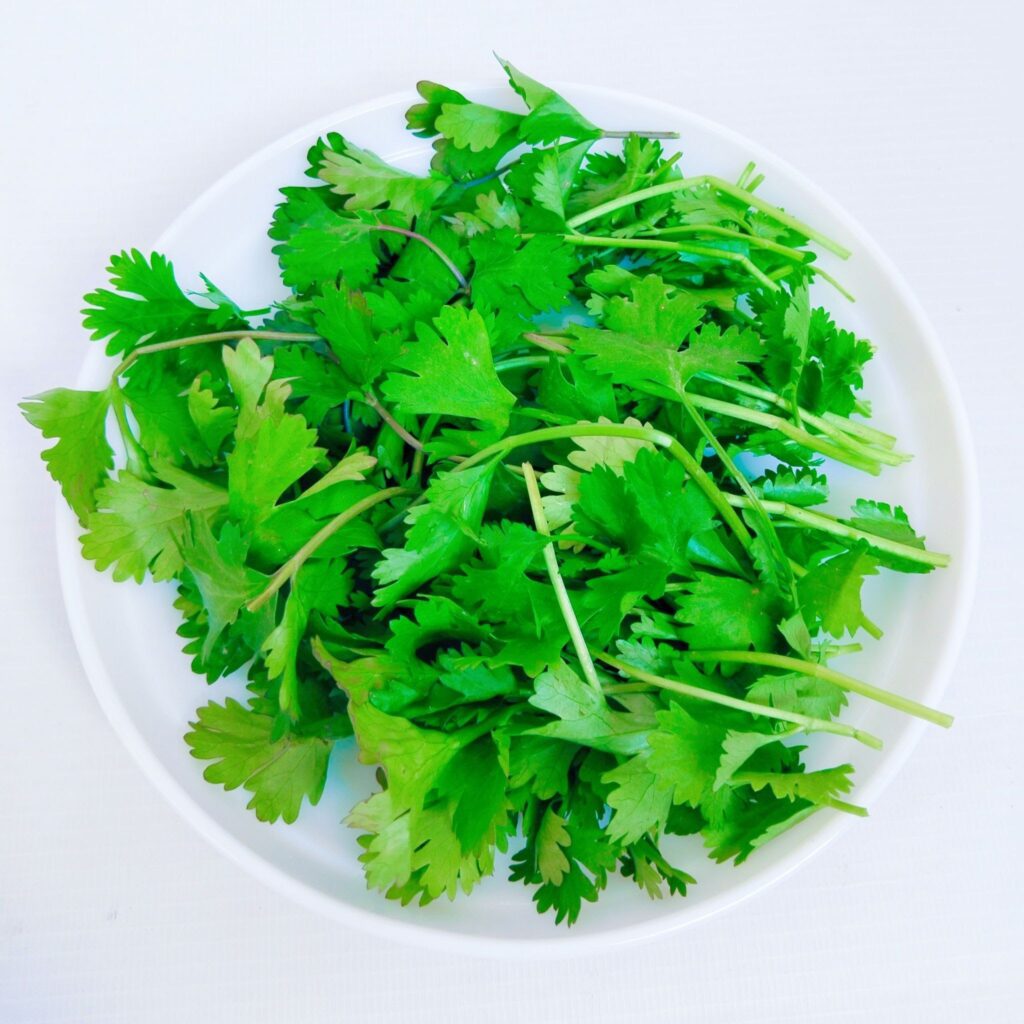
Ayurvedic Properties of Dhania
Ayurveda classifies herbs based on their intrinsic qualities (gunas), which determine their healing effects. Dhania’s profile makes it uniquely balancing for the body.
- Rasa (Taste): Madhura (Sweet) and Tikta (Bitter). It soothes Pitta (heat) and supports digestion without being aggressive.
- Guna (Characteristic): Laghu (Light) and Snigdha (Slightly Oily). It is easy to digest and relieves bloating while keeping tissues moist.
- Virya (Potency): Sheeta (Cooling). It effectively reduces body heat, acidity, and excessive thirst.
- Vipaka (Post-Digestive Effect): Madhura (Sweet). It nourishes tissues and promotes long-term dosha balance.
This combination makes Dhania a tridoshic herb, beneficial for all body types, but especially effective in pacifying aggravated Pitta (fire) and Kapha (earth/water).
Top Health Benefits of Dhania (Coriander)
1. Promotes Healthy Digestion
In Ayurveda, Dhania acts as a Deepana (appetizer) and Pachana (digestive), relieving gas, cramps, and heavy bloating. Modern science confirms it contains bioactive compounds like linalool and borneol, which have antispasmodic properties that ease IBS symptoms.
2. Helps Regulate Blood Sugar
Its bitter taste and cooling energy help balance metabolic issues. Studies show that coriander seeds enhance insulin secretion and improve glucose uptake, showing a ~6% reduction in fasting blood sugar in clinical trials.
3. Soothes Joint Inflammation & Pain
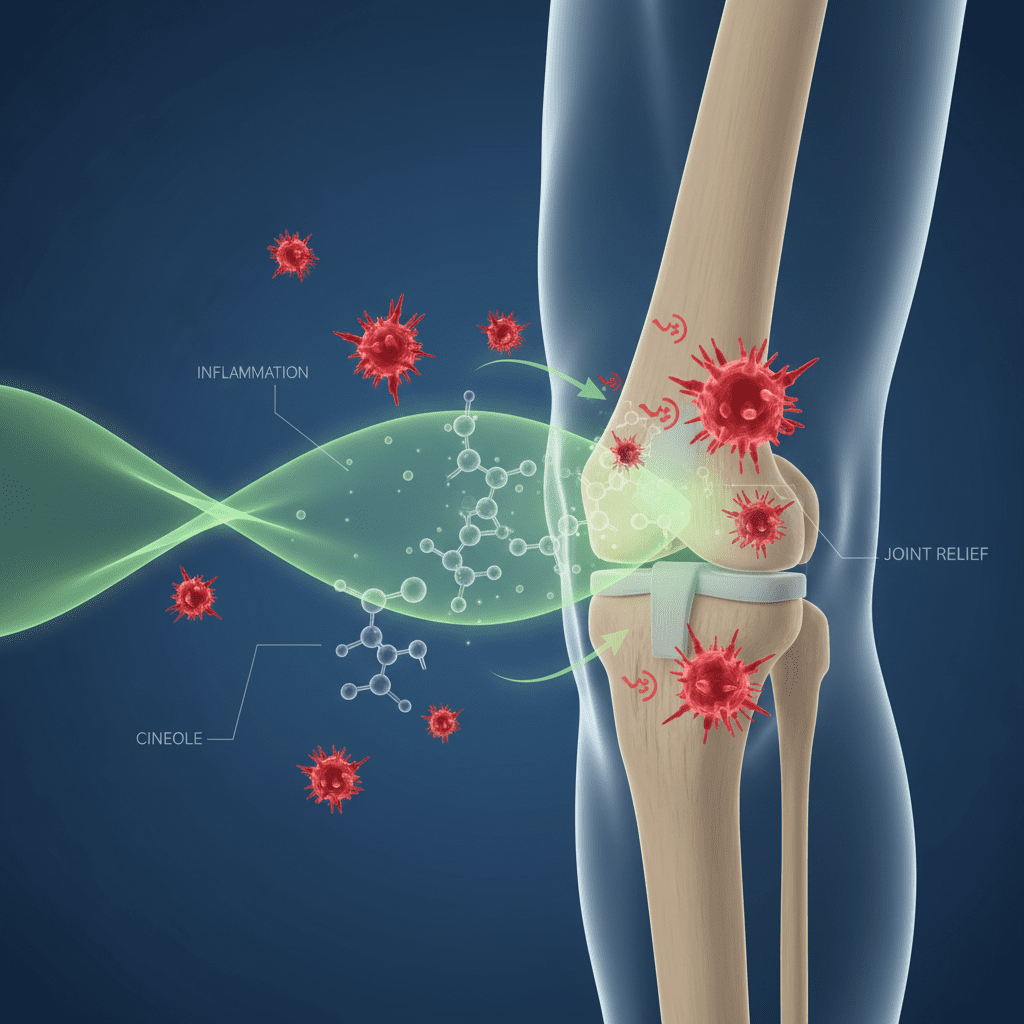
Dhania reduces Ama (toxins) and heat in the joints. Compounds like cineole and linoleic acid offer natural anti-inflammatory relief for joint discomfort and inflammatory types of arthritis.
4. Enhances Skin Health
It cools the blood and clears internal toxins, leading to a clearer complexion. Its antibacterial properties make it an effective remedy for acne and skin irritation when used topically as a paste.
5. Acts as a Natural Diuretic
Possessing Mutral properties, it supports kidney and bladder function. It promotes urine flow, aiding in the removal of waste and helping prevent small kidney stones and fluid retention.
Dhania for Specific Health Concerns
- Thyroid Support: Drinking coriander seed water in the morning may help modulate hormone function and reduce glandular inflammation.
- Oral Health: The antiseptic compound citronellol helps heal mouth ulcers and combats bad breath naturally.
- Anemia: Being a good source of iron, regular consumption can help raise hemoglobin levels and combat fatigue.
- Bone Health: Rich in calcium and vitamin K, it contributes to bone mineral density, offering support against osteoporosis.
- Liver Detoxification: Its cooling nature helps the liver process and eliminate toxins, boosting overall energy.
Scientific Research & Clinical Evidence Summary
| Study Focus | Key Findings | Source |
| Diabetes | 3g daily reduced fasting glucose and HbA1c in Type 2 diabetics. | Journal of Ethnopharmacology |
| Cholesterol | Significant decrease in LDL (bad cholesterol) and increase in HDL. | British Journal of Nutrition |
| Antimicrobial | Essential oil effective against drug-resistant bacteria and Candida. | Int. Journal of Food Microbiology |
| Heavy Metals | Demonstrated chelation (removal) of lead and mercury. | Journal of Medicinal Food |
Safety, Side Effects & Interactions
Is Dhania Safe? Dhania is generally very safe for culinary and medicinal use. However, excessive consumption may lead to:
- Excessively lowered blood sugar or blood pressure.
- Aggravation of cold-related conditions (like asthma) due to its cooling nature.
Drug Interactions:
- Diabetes Medication: May increase the risk of hypoglycemia.
- Blood Pressure Medication: May enhance the effects of the medication.
- Always consult with a healthcare practitioner if you are on regular medication.
Simple Home Remedies
- Dhania Water: Soak 1 tsp of seeds in water overnight. Strain and drink on an empty stomach to cool the body and support the thyroid.
- Digestive Tea: Boil coriander, cumin, and fennel seeds (CCF tea) to relieve bloating after meals.
- Skin Paste: Apply a paste of fresh leaves to acne for 15 minutes to reduce redness and irritation.
Conclusion
From supporting digestion and balanced blood sugar to enhancing skin radiance, Dhania (Coriander) is a testament to Ayurveda’s understanding of food as medicine. Its gentle, balancing nature makes it a suitable daily addition for nearly everyone.
Disclaimer: This article is for educational and informational purposes only. It reviews historical documentation and scientific literature but does not provide medical advice, diagnosis, or treatment recommendations. Never disregard professional medical advice or delay seeking it because of information presented here. The authors and website do not endorse the use of Giloy or any herbal remedy without professional medical supervision. Always consult with a qualified healthcare provider before making any health-related decisions.
Article written by Mahesh Borsaniya, founder of Borsaniya Wellness Spot. Our mission is to provide trustworthy, evidence-based wellness information rooted in natural and holistic traditions.
Read More Article: Click HERE
Frequently Asked Questions
1: Is dhaniya powder the same as fresh coriander?
No. Fresh coriander (cilantro) is the leaf, while dhaniya powder is made from the dried seeds. Their flavor and nutrient profiles differ significantly.
2: Can dhaniya powder help with weight loss?
Yes, indirectly. By improving digestion, reducing bloating, and regulating blood sugar, it supports metabolic health and may reduce cravings.
3: How long does it take to see benefits?
- Digestive relief: Often within hours
- Blood sugar/cholesterol changes: 4–8 weeks of consistent use
- Skin improvements: 2–4 weeks with topical/internal use
4: Can I take dhaniya powder daily?
Yes, 1–3 tsp daily is generally safe and beneficial for most people.
5: Does heating destroy its benefits?
Light cooking preserves most benefits, but avoid prolonged high heat. For medicinal use, infused water or tea is best.
Scientific References:
Leave a Reply
You must be logged in to post a comment.