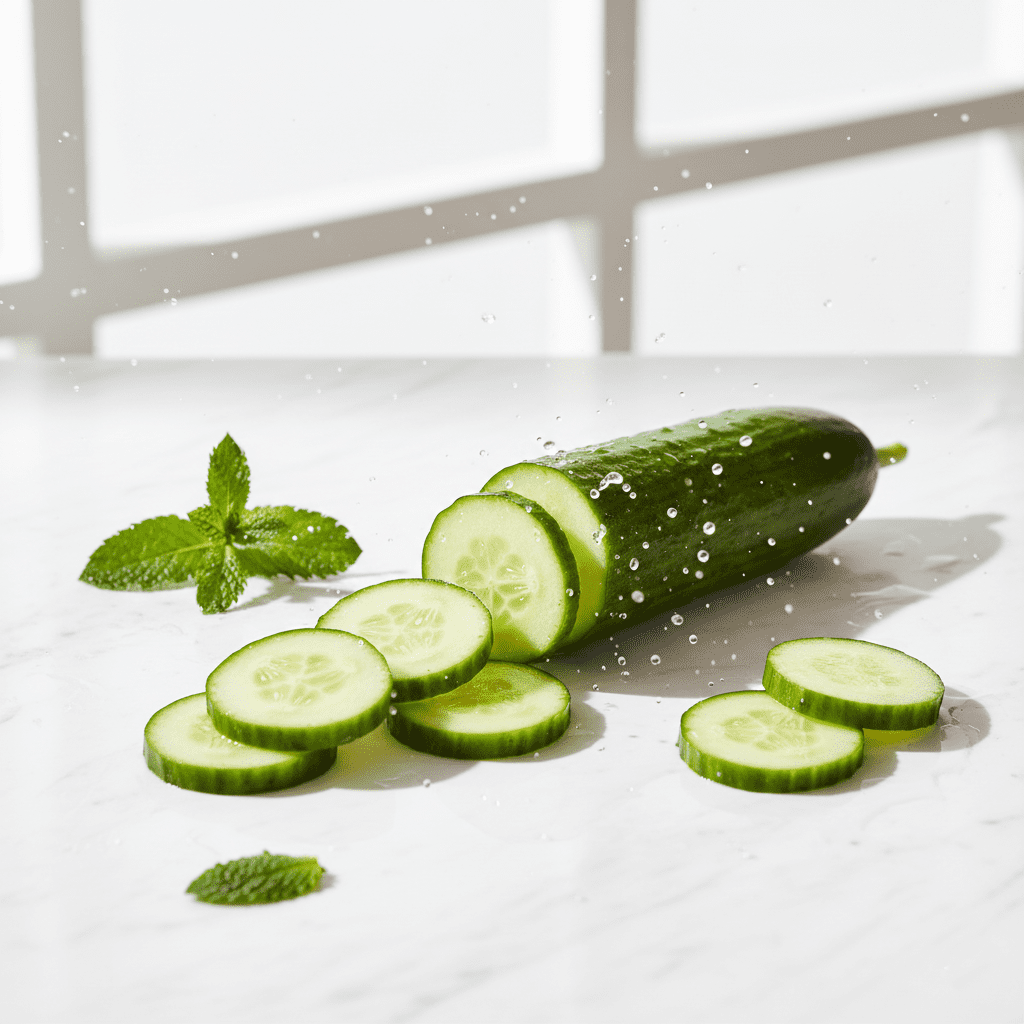
Cucumbers are often dismissed as a simple salad topper, but they are a nutrient-dense superfood with impressive health benefits. From deep cellular hydration to supporting metabolic health, cucumbers are a versatile tool for holistic wellness.
In this comprehensive guide, we explore the nutritional science behind cucumbers and creative ways to use them for your health and skincare.
1. Nutritional Profile: Small Calories, Big Impact
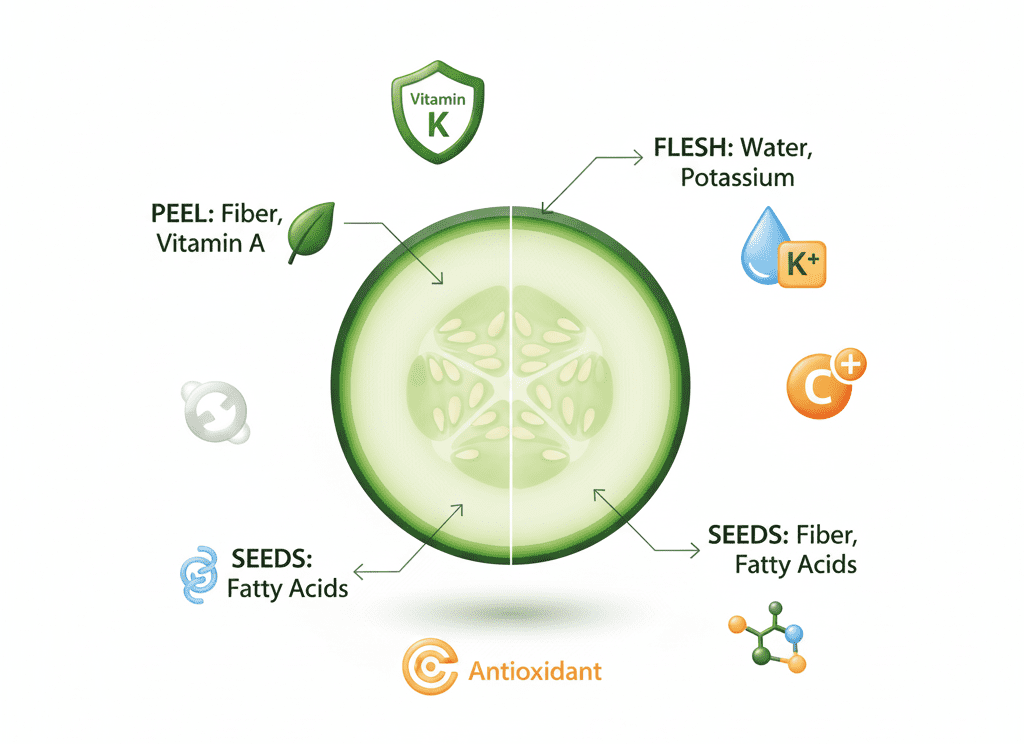
While cucumbers are 95% water, the remaining 5% is packed with essential vitamins and unique phytonutrients.
Per 100g serving:
- Vitamin K: 16% of RDI (Essential for bone health and blood clotting).
- Vitamin C: 5% of RDI (A powerful antioxidant for immune support).
- Minerals: Potassium, Manganese, and Magnesium for electrolyte balance.
- Phytonutrients: Cucurbitacins, lignans, and flavonoids.
Pro Tip: Always eat the skin! Most of the fiber and Vitamin A are stored in the peel.
2. Top 5 Evidence-Based Health Benefits
A. Superior Hydration & Electrolytes
Cucumbers don’t just provide water; they provide structured water with natural electrolytes. Research suggests that cucumber-infused water can be more effective than plain water at maintaining hydration levels during physical activity.
B. Blood Sugar Management
With a Glycemic Index (GI) of only 15, cucumbers are excellent for diabetics. They contain fiber that slows down the absorption of carbohydrates, preventing sudden insulin spikes.
C. Digestive Wellness
Cucumbers contain pectin, a type of soluble fiber that acts as a prebiotic. This feeds the “good” bacteria in your gut, improving digestion and preventing constipation.
D. Heart Health & Blood Pressure

The combination of fiber, potassium, and magnesium helps regulate blood pressure. Potassium acts as an electrolyte that lessens the effects of sodium, protecting your cardiovascular system.
E. Anti-Inflammatory Properties
Cucumbers contain fisetin, an anti-inflammatory substance that has been linked to better brain health and a reduced risk of chronic inflammatory diseases.
3. Creative Ways to Use Cucumbers
In the Kitchen:
- Cucumber Noodles: Use a spiralizer for a low-carb pasta alternative.
- Healthy Wraps: Use long, thin slices instead of bread for sandwiches.
- Global Flavors: Try making Kachumber (Indian salad) or Tzatziki (Greek yogurt dip).
In Your Beauty Routine:
- De-puffing Eyes: Chilled slices constrict blood vessels to reduce swelling.
- Natural Toner: Mix cucumber juice with rose water for a cooling facial mist.
- Sunburn Relief: Apply a cucumber paste to soothe inflamed skin.
4. Selection and Storage Tips
- Selection: Look for firm, dark green cucumbers without soft spots.
- Storage: Store in the crisper drawer. Keep them away from bananas or tomatoes, as the ethylene gas from those fruits can make cucumbers spoil faster.
- Cleaning: To remove wax or pesticide residue, soak them in a solution of water and baking soda for 10 minutes.
5. Important Safety Considerations
While cucumbers are safe for most, keep these points in mind:
- Blood Thinners: Because cucumbers are high in Vitamin K, people on blood-thinning medications (like Warfarin) should maintain a consistent intake to avoid interfering with their medication.
- Digestive Sensitivity: The compound cucurbitacin can cause gas or indigestion in some individuals. Choosing “burpless” varieties (like English cucumbers) can help.
Frequently Asked Questions (FAQs)
Q: Should I remove the seeds? A: No. The seeds are rich in fiber and contain beneficial fatty acids. Unless you prefer the texture of seedless, keep them in!
Q: Are pickles as healthy as fresh cucumbers? A: Not necessarily. Pickles are high in sodium. However, naturally fermented pickles contain probiotics which are great for gut health.
Q: Can I eat cucumbers every day? A: Absolutely. Eating 1–2 cucumbers daily is a great way to stay hydrated and get your daily fiber.
Disclaimer: This article serves educational and informational purposes only. While it reviews historical and scientific literature, it does not provide medical advice, diagnosis, or treatment recommendations. Never disregard professional medical advice or delay seeking it based on information presented here. The authors and website do not endorse using Euphorbia hirta or any herbal remedy without professional medical supervision. Always consult a qualified healthcare provider before making health-related decisions.
This article was written by Mahesh Borsaniya, founder of Borsaniya Wellness Spot. Our mission is to provide evidence-based wellness information rooted in both science and tradition.
Read More Article: Click HERE
Leave a Reply
You must be logged in to post a comment.