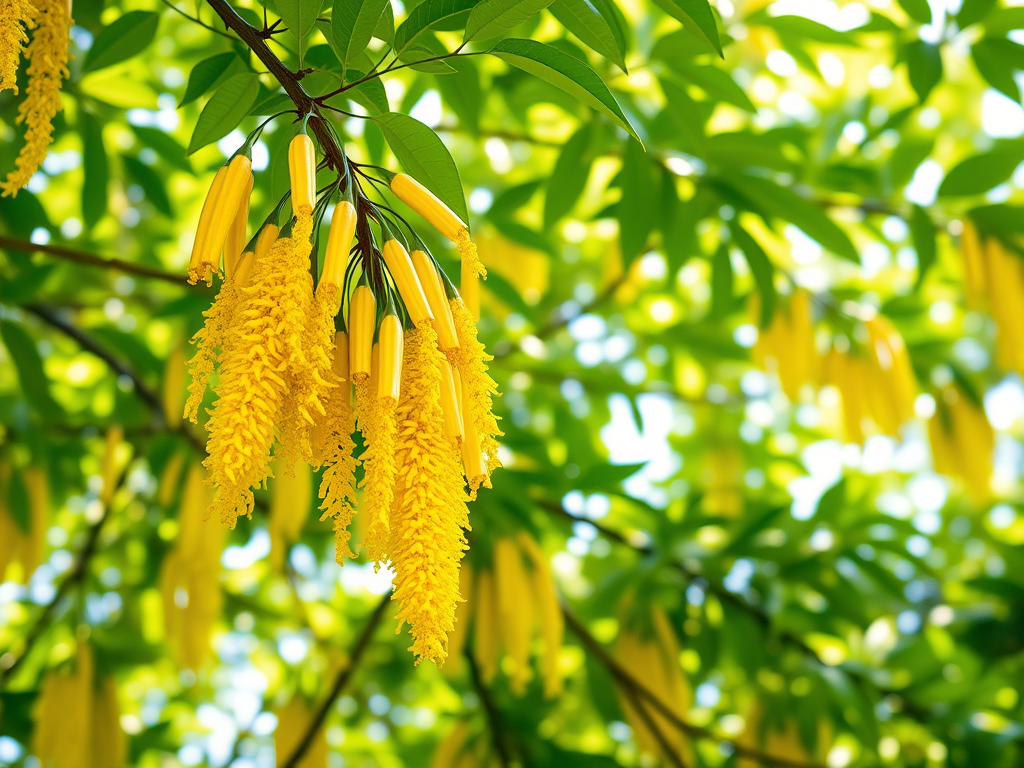
For centuries, traditional healing systems have turned to nature’s pharmacy to treat ailments and promote wellness. Among these botanical treasures stands Cassia fistula Linn, commonly known as the Golden Shower Tree or Amaltas, a plant whose vibrant yellow blossoms belie its profound medicinal power. Revered in Ayurveda as aragvadha—meaning “disease killer”—this plant has transcended its ornamental beauty to become a cornerstone in herbal medicine across South Asia and beyond. As modern science increasingly validates ancient wisdom, Cassia fistula emerges as a compelling subject of study, bridging traditional knowledge with contemporary pharmaceutical research.
A Botanical Marvel with Global Roots
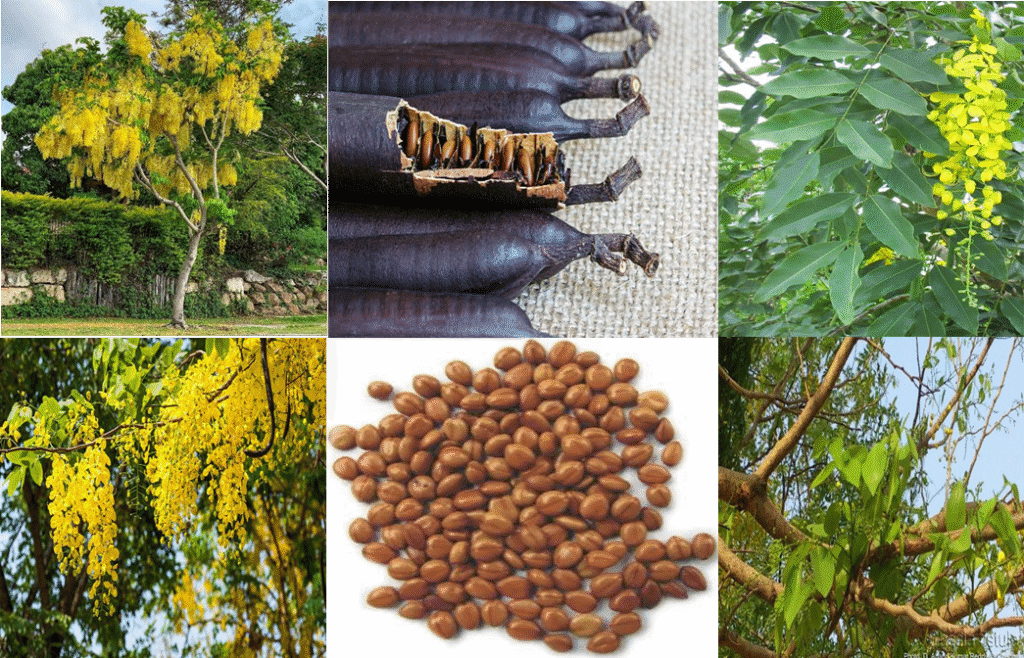
Cassia fistula is a deciduous tree belonging to the Leguminosae family, notable for its striking pendulous yellow flower clusters and long, cylindrical pods. While native to the Indian subcontinent, its therapeutic reputation has led to cultivation across tropical regions worldwide—from Thailand, where it’s honored as the national tree and flower, to the West Indies, Brazil, and East Africa. In Kerala, India, it holds cultural significance as the state flower among the Malayali community, woven into local traditions and healing practices.
The tree’s morphology is as distinctive as its medicinal applications. Growing 6-9 meters tall, it features compound leaves with paired leaflets, greenish-grey bark that roughens with age, and fruits that transform from green to black upon ripening. Within these pods lies a sweet, sticky pulp containing the plant’s pharmacologically active compounds—a dark, mucilaginous substance that has been utilized medicinally for generations.
Phytochemical Powerhouse: Nature’s Chemical Symphony
What makes Cassia fistula particularly remarkable is its rich phytochemical composition, which varies across different plant parts, each offering unique therapeutic benefits:
Leaves contain alkaloids, flavonoids, tannins, and phenolic compounds, along with organic substances like rhein and sennosides—compounds known for their laxative properties.
Flowers boast kaempferol, rhein, and leucopelargonidin tetramers, contributing to their antioxidant and anti-inflammatory potential.
Fruit pulp serves as a rich source of amino acids, sugars, and anthraquinone glycosides, particularly valued for its gentle purgative effects.
Seeds contain essential fatty acids (linoleic, oleic, palmitic), proteins with antifungal properties, and carbohydrates including galactomannan.
Bark provides flavanol glycosides and xanthone derivatives linked to antioxidant activities.
Roots contain flavan derivatives, rhamnetin, and oxyanthroquinone compounds.
This diverse chemical portfolio enables Cassia fistula to exhibit a broad spectrum of biological activities, making it a versatile agent in traditional medicine systems.
Traditional Wisdom Meets Scientific Validation
In Unani medicine, Cassia fistula was historically believed to expel evil spirits and address disease root causes. Ayurvedic texts document its use for intestinal disorders, skin conditions, fever reduction, and as a blood purifier. Ethnobotanical records reveal regional applications: In Bangladesh, root juice addresses fever and acts as a diuretic; in various Indian traditions, leaf poultices treat rheumatism and insect bites, while pod ashes mixed with honey soothe coughs.
Modern research has begun validating these traditional uses through rigorous scientific investigation:
Antimicrobial Activity
Hydroalcoholic extracts demonstrate significant activity against pathogens including Staphylococcus aureus, Escherichia coli, and Candida albicans. This supports its traditional use in treating infections and skin ailments.
Anti-inflammatory Properties
Studies using carrageenan-induced paw edema models in rats confirm that leaf and bark extracts reduce inflammation comparably to standard medications like diclofenac. The anti-inflammatory effects are attributed to flavonoids that modulate inflammatory pathways.
Antioxidant Capacity
Through multiple assays (DPPH, ABTS, FRAP), researchers have confirmed potent free radical scavenging activity, with stem bark extracts showing particularly high antioxidant potential—closely correlating with total polyphenolic content.
Anticancer Potential
Perhaps most promising is research into Cassia fistula’s anticancer properties. Rhein, an anthraquinone found in the plant, inhibits proliferation in cervical (HeLa) and breast (MCF-7) cancer cell lines through apoptosis induction and MAP kinase pathway modulation. The n-hexane fraction of fruits shows selective cytotoxicity against cancer cells while sparing normal cells.
Antidiabetic Effects
In streptozotocin-induced diabetic rats, pod extracts significantly lower fasting blood glucose and glycated hemoglobin while increasing liver glycogen storage. Gold nanoparticles synthesized using Cassia fistula extract also demonstrate hypoglycemic effects, suggesting novel delivery mechanisms for diabetic management.
Mechanisms of Action: How the Golden Healer Works
The therapeutic effects of Cassia fistula arise from synergistic interactions among its phytochemical constituents:
Flavonoids like kaempferol and quercitrin contribute antioxidant effects by donating electrons to neutralize free radicals, while also modulating inflammatory mediators like prostaglandins and cytokines.
Anthraquinones including rhein and sennosides stimulate colonic peristalsis as laxatives but also exhibit anticancer properties through cell cycle arrest and apoptosis induction.
Phenolic compounds enhance the plant’s antioxidant defense system, protecting cellular components from oxidative damage linked to chronic diseases.
Glycosides influence various physiological processes, with some demonstrating cardioprotective effects while others enhance digestive functions.
These compounds don’t work in isolation but create a network of biological activities that amplify therapeutic outcomes—a phenomenon increasingly recognized as critical to herbal medicine’s efficacy compared to single-compound pharmaceuticals.
Extraction Innovations: Unlocking Nature’s Chemistry
The process of isolating bioactive compounds from Cassia fistula has evolved significantly. Traditional water-based decoctions and alcohol tinctures remain valuable, but modern techniques offer enhanced efficiency:
Solvent extraction utilizes polarity gradients, with methanol extracting alkaloids and flavonoids, hexane isolating essential oils, and water recovering tannins and polysaccharides.
Soxhlet extraction enables continuous recycling of solvents for efficient compound recovery, though newer automated systems reduce processing time and solvent use.
Chromatographic techniques including TLC, HPTLC, and HPLC allow precise separation and quantification of individual compounds, facilitating standardization and quality control.
These technological advances not only improve yield but also enable researchers to identify previously unknown compounds and understand structure-activity relationships—critical steps for drug development.
Safety Profile and Toxicity Considerations
Despite its therapeutic promise, responsible use requires understanding Cassia fistula’s safety parameters. Acute toxicity studies indicate an LD50 greater than 5000 mg/kg for fruit extracts—classified as relatively safe under the Globally Harmonized System. Subacute administration over 90 days shows no significant liver or kidney toxicity at moderate doses, though higher concentrations (1000 mg/kg) may cause transient organ stress.
Traditional preparation methods likely mitigate potential adverse effects through dilution and combination with other herbs. However, contemporary applications warrant caution regarding potential gastrointestinal discomfort from anthraquinone content and possible interactions with medications, particularly for individuals with pre-existing liver or kidney conditions. These considerations highlight the importance of dosage standardization and professional guidance in therapeutic applications.
From Traditional Remedy to Modern Drug Development
Cassia fistula’s journey from traditional medicine to modern pharmacology illustrates the growing convergence between ethnobotanical knowledge and scientific discovery. Several promising directions have emerged:
Nanotechnology Applications
Gold nanoparticles synthesized using Cassia fistula extracts show enhanced bioavailability and targeted therapeutic effects, particularly for diabetes management—demonstrating how traditional herbs can interface with cutting-edge delivery systems.
Cosmeceutical Formulations
Butanolic extracts from flowers exhibit tyrosinase inhibition and anti-aging properties, leading to development of skin care products that harness the plant’s antioxidant and anti-inflammatory benefits.
Drug Discovery Platforms
Molecular docking studies reveal how Cassia fistula compounds interact with therapeutic targets, identifying lead molecules for conditions ranging from microbial infections to cancer. Rhein derivatives, for instance, show particular promise as anticancer agents with specific molecular targets.
Integrated Pest Management
Beyond human health, Cassia fistula extracts demonstrate insecticidal properties, offering natural alternatives to synthetic pesticides in agricultural applications—an example of the plant’s multifaceted utility.
The Future of Cassia Fistula Research
As the global market for medicinal plants approaches a projected $5 trillion by 2050, Cassia fistula stands poised for increased attention. Future research directions should prioritize:
- Clinical Trials: Moving beyond animal studies to human clinical trials for specific indications
- Synergy Studies: Investigating how Cassia fistula compounds interact with each other and with conventional medications
- Sustainable Cultivation: Developing protocols for consistent phytochemical profiles amid climate variability
- Formulation Science: Optimizing delivery systems to enhance bioavailability and therapeutic efficacy
- Mechanistic Elucidation: Further clarifying molecular pathways and targets using omics technologies
Conclusion: A Golden Opportunity in Integrative Medicine
Cassia fistula embodies the convergence of traditional wisdom and scientific validation—a botanical treasure whose vibrant golden flowers symbolize its value to human health. From its antimicrobial and anti-inflammatory properties to its emerging anticancer potential, this “disease killer” offers a multifaceted therapeutic profile increasingly relevant in an era of antibiotic resistance and complex chronic diseases.
As research continues to unravel its mechanisms and applications, Cassia fistula serves as a powerful reminder that nature’s pharmacy holds solutions to many contemporary health challenges. Its journey from ancient Ayurvedic texts to modern laboratories illustrates how traditional knowledge, when investigated with scientific rigor, can yield novel therapeutic approaches that honor both heritage and innovation.
For healthcare practitioners, researchers, and patients seeking integrative approaches, Cassia fistula represents not just a medicinal plant but a paradigm—demonstrating how centuries-old botanical wisdom, when illuminated by modern science, can contribute to health systems that are both effective and culturally grounded. As we face global health challenges, such bridges between tradition and innovation may prove invaluable in developing sustainable, accessible therapeutic options for generations to come.
Article written by Mahesh Borsaniya, founder of Borsaniya Wellness Spot. Our mission is to provide trustworthy, evidence-based wellness information rooted in natural and holistic traditions.