By Mahesh Borsaniya, Founder of Borsaniya Wellness Spot
In the modern landscape of nutrition, we are facing an invisible crisis. While previous generations worried about caloric scarcity, we are currently battling a surplus of the wrong kind of energy. If you find yourself waking up exhausted despite eight hours of sleep, struggling with “brain fog” by 2:00 PM, or noticing that your skin lacks its natural glow, you aren’t alone. The culprit isn’t just aging or lack of exercise—it is the white, crystalline substance hiding in nearly 80% of processed foods: Sugar.
Transitioning to a sugar-free life is perhaps the single most defiant and health-affirming act a person can take in the 21st century. This isn’t just a “diet” or a temporary “detox”; it is a fundamental recalibration of your biological systems. In this 1,200-word deep dive, we will explore the cellular science of sugar, the hidden traps of the food industry, and a human-centered roadmap to breaking the addiction for good.
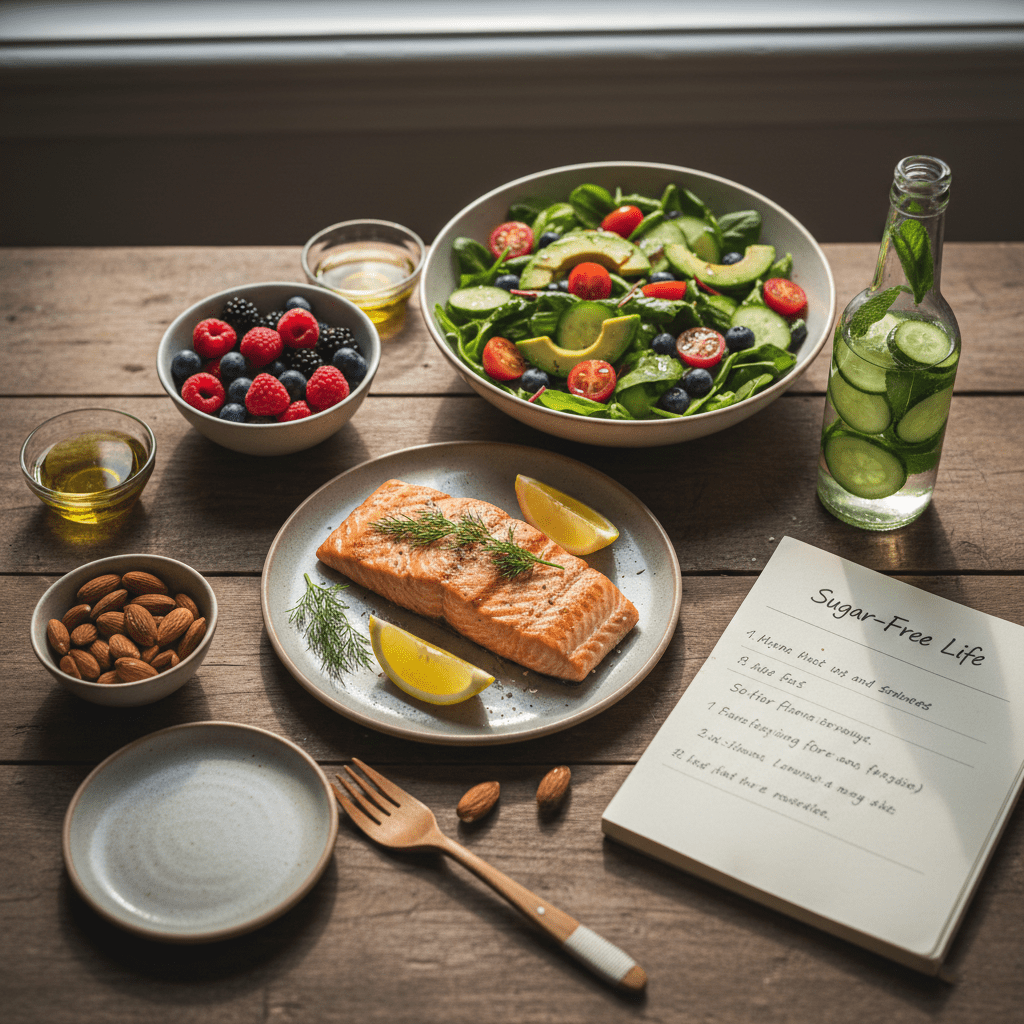
Part I: The Biological Cost of the “Sweet Life“
To truly commit to a sugar-free life, one must understand what happens inside the veins when we consume refined sucrose or high-fructose corn syrup (HFCS). Our ancestors encountered sugar rarely—in the form of seasonal wild berries or honey guarded by bees. Today, the average person consumes upwards of 70 grams of added sugar daily.
1. The Insulin Rollercoaster and Metabolic Fatigue
When you eat a sugary snack, your blood glucose levels skyrocket. In response, your pancreas pumps out insulin, the key that opens your cells to take in glucose for energy. However, when this happens repeatedly, your cells become “deaf” to insulin’s signal—a condition known as Insulin Resistance. This leads to systemic inflammation and is the primary driver of Type 2 Diabetes and Metabolic Syndrome.
2. The Liver’s Burden: Fructose vs. Glucose
While every cell in your body can use glucose for energy, fructose (half of table sugar) can only be processed by the liver. When the liver is slammed with a high-sugar soda, it has no choice but to convert that fructose into fat. This leads to Non-Alcoholic Fatty Liver Disease (NAFLD), which was once a condition found only in heavy drinkers but is now seen in children due to high-sugar diets.
3. The “Sugar Brain” and Dopamine Addiction
Sugar acts on the brain’s reward system in a way strikingly similar to addictive drugs. It triggers a massive release of dopamine in the nucleus accumbens. Over time, your brain requires more sugar to reach that same “high,” leading to cravings that feel impossible to ignore. A sugar-free life isn’t just about physical health; it’s about reclaiming your brain’s neurochemistry.
Part II: Becoming a Label Detective—The Hidden Aliases
The most significant barrier to a sugar-free life is that sugar is a master of disguise. The food industry uses over 60 different names for sugar to prevent it from appearing as the first ingredient on a label. To succeed, you must look for these common “aliases”:
- The “-ose” Family: Sucrose, Maltose, Dextrose, Fructose, Lactose.
- The “Syrup” Squad: High Fructose Corn Syrup, Brown Rice Syrup, Malt Syrup, Carob Syrup.
- The “Natural” Trap: Agave Nectar, Evaporated Cane Juice, Fruit Juice Concentrate, Coconut Sugar.
- The Technical Terms: Maltodextrin, Ethyl Maltol, Diastatic Malt.
Part III: The 3-Phase Roadmap to a Sugar-Free Life
Quitting cold turkey works for some, but for most, a phased approach prevents the “crash and burn” cycle.
Phase 1: The Liquid Purge (Days 1–7)
The most “empty” calories come from liquids. Because liquid sugar lacks fiber, it hits your liver like a freight train.
- The Rule: Eliminate all sodas, sweetened coffees, energy drinks, and fruit juices.
- The Replacement: Transition to sparkling water with fresh mint, herbal teas, or “Fat Coffee” (coffee blended with a teaspoon of grass-fed butter or coconut oil) to stabilize energy.
Phase 2: The Pantry Audit (Days 8–21)
Now, look at your “savory” foods. Sugar is often the second or third ingredient in salad dressings, ketchup, pasta sauces, and bread.
- The Rule: If a packaged food has more than 4g of “Added Sugar” per serving, it stays out of the house.
- The Replacement: Make your own dressings using olive oil, lemon, and apple cider vinegar. Swap white bread for sourdough or sprouted grain wraps.
Phase 3: The Whole Food Integration (Day 22 and Beyond)
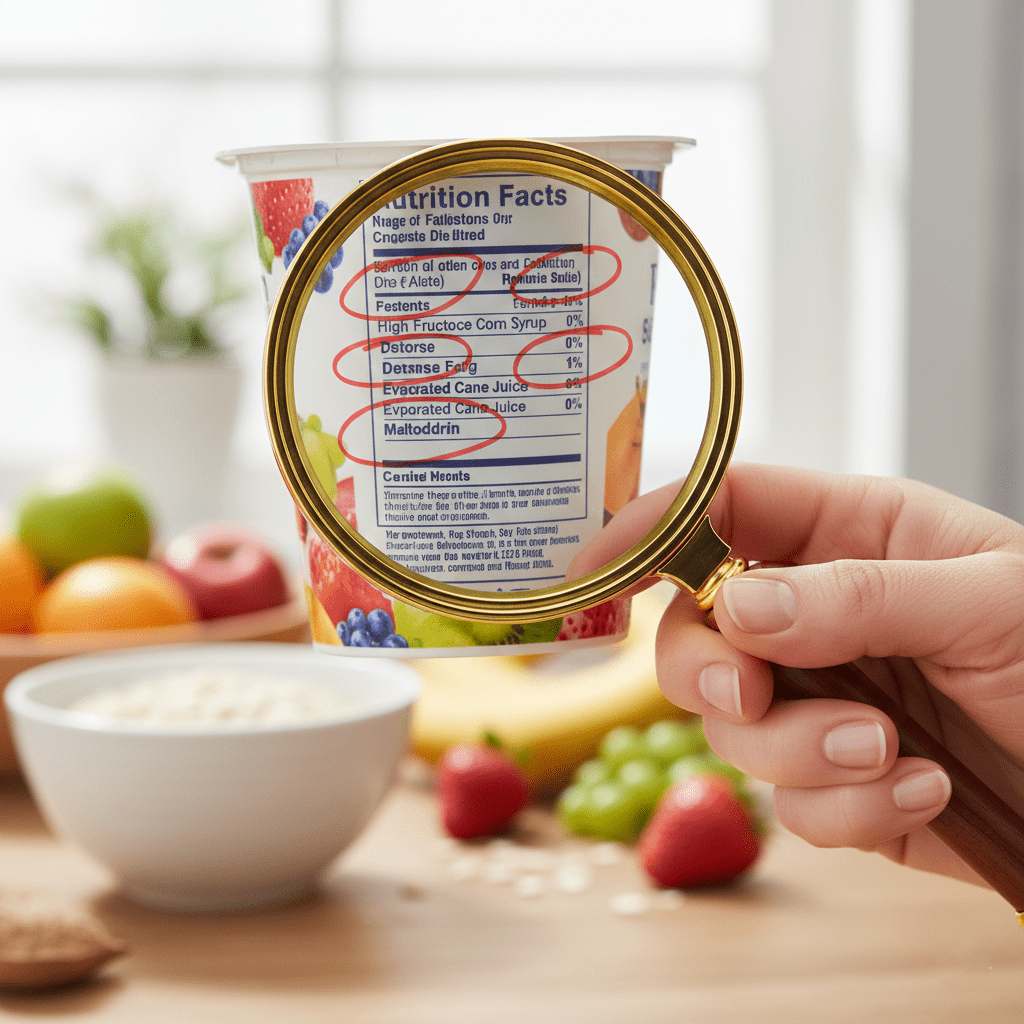
This is where a sugar-free life becomes sustainable. Focus on Satiety over Sweetness.
- The Rule: Every meal should contain a healthy fat, a clean protein, and a high-fiber vegetable.
- The Replacement: When a craving hits, reach for a handful of walnuts or an olive. Salt and fat are the natural enemies of sugar cravings.
Part IV: Managing the “Sugar Flu” and Cravings
When you first stop eating sugar, your body goes through a withdrawal period. You might experience headaches, irritability, and muscle aches. This is your body switching from “sugar-burning mode” to “fat-burning mode.”
| Symptom | Why it Happens | The Fix |
| Headaches | Electrolyte imbalance as insulin drops. | Add a pinch of sea salt to your water. |
| Cravings | Dopamine withdrawal in the brain. | Take a 10-minute walk or use peppermint oil. |
| Fatigue | Mitochondria adjusting to new fuel. | Increase intake of B-vitamins and magnesium. |
Part V: Common Myths Debunked
Myth: “Fruit is just as bad as a candy bar.”
Fact: This is fundamentally false. The fiber in a whole apple slows down the absorption of its natural sugars, preventing an insulin spike. Furthermore, fruit contains phytonutrients that protect your arteries. In a sugar-free life, 1–2 servings of whole fruit are usually beneficial.
Myth: “Artificial sweeteners are the perfect solution.”
Fact: Aspartame and Sucralose can actually worsen cravings. They provide a sweet taste without the calories, which “confuses” the brain and can lead to overeating later in the day. Stick to Stevia or Monk Fruit in moderation if necessary.
Part VI: The Long-Term Rewards (The Timeline of Healing)
What happens when you stay the course? A sugar-free life offers rewards that no medication can match:
- 72 Hours: Your taste buds begin to change. Foods like broccoli or almonds start to taste surprisingly sweet.
- 2 Weeks: The “afternoon slump” disappears. Your energy remains stable because your body is becoming “metabolically flexible.”
- 1 Month: Skin clarity improves. Sugar causes Glycation, where sugar molecules attach to collagen, causing wrinkles and acne. Without sugar, your skin heals.
- 6 Months: Your blood markers (HbA1c, Triglycerides) typically show dramatic improvement, significantly lowering your risk of chronic disease.
Your Journey to Borsaniya Wellness

Adopting a sugar-free life isn’t about deprivation; it’s about abundance. It is about having an abundance of energy, an abundance of mental clarity, and an abundance of years added to your life. At Borsaniya Wellness Spot, we believe that the kitchen is your primary pharmacy. By choosing whole, unrefined foods, you are sending a signal to your body that you value its longevity.
The road isn’t always easy. There will be birthday parties, holidays, and stressful days. But remember: your health is not defined by one “cheat meal,” but by the choices you make 90% of the time. Start today. Read one label. Skip one dessert. Your future self will thank you.
Medical Disclaimer
The content provided in this article is for informational purposes only and is not intended as medical advice. People with diabetes or metabolic disorders should consult their doctor before making drastic changes to their sugar intake.
Article written by Mahesh Borsaniya, founder of Borsaniya Wellness Spot. Our mission is to provide trustworthy, evidence-based wellness information rooted in natural and holistic traditions.
Read More Health Article: Click HERE


Leave a Reply
You must be logged in to post a comment.