Have you heard about the potential uses of pomegranate peel powder? Often discarded, this powder made from the peel is valued in various traditional wellness practices for its concentration of beneficial compounds. In this guide, we will explore its background, examine what modern research suggests, and explain how it is traditionally prepared.
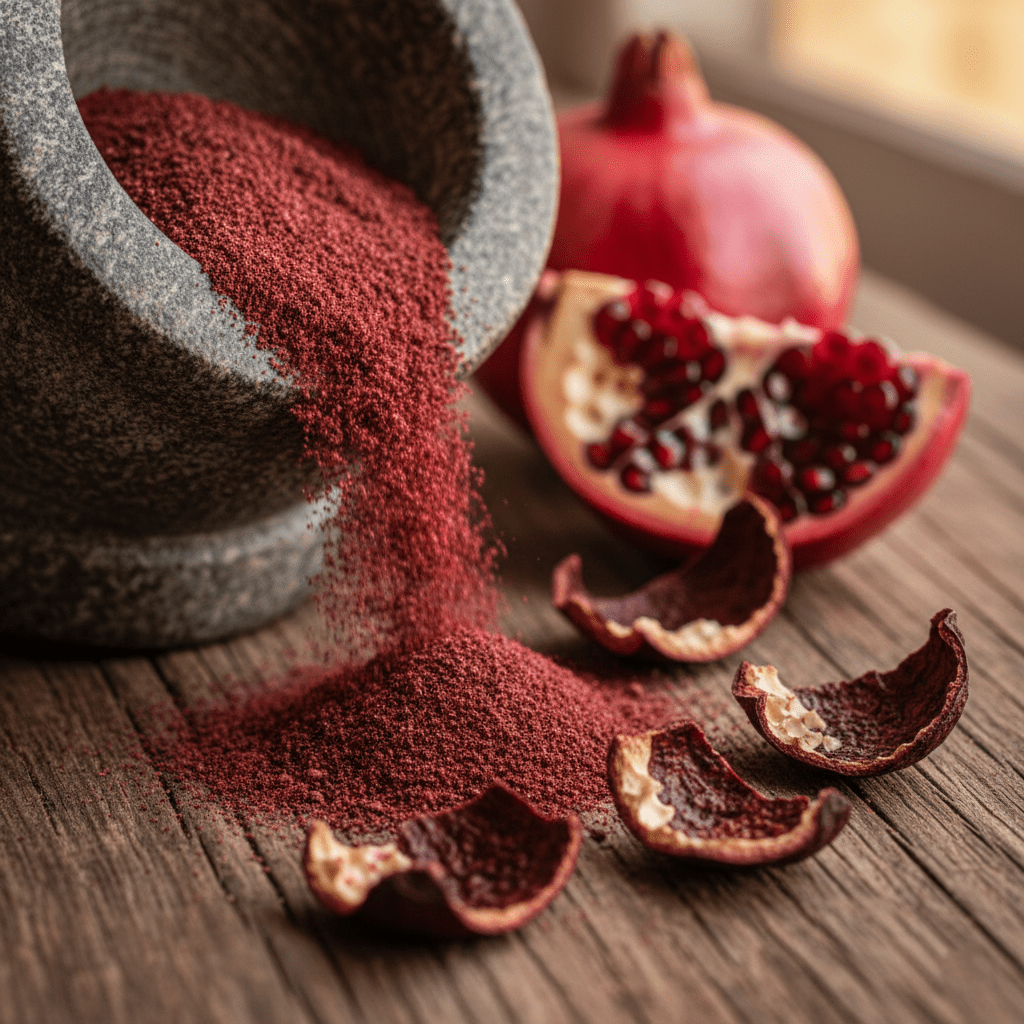
Traditional Use and Modern Research on Pomegranate Peel
In systems like Ayurveda, practitioners have used pomegranate peel for centuries. Consequently, modern scientific interest now focuses on its dense phytochemical profile. For instance, key components include:
- Antioxidants: The peel is rich in compounds like punicalagins, which researchers are studying for their antioxidant properties.
- Tannins: These compounds possess natural astringent qualities.
- Vitamin C & Other Compounds: It contains nutrients that support general wellness.
Important Note: Research is ongoing to understand the full scope of these properties. Therefore, you should consider it a complementary wellness interest, not a proven replacement for medical treatments.
How to Prepare Pomegranate Peel Powder (A Traditional Method)
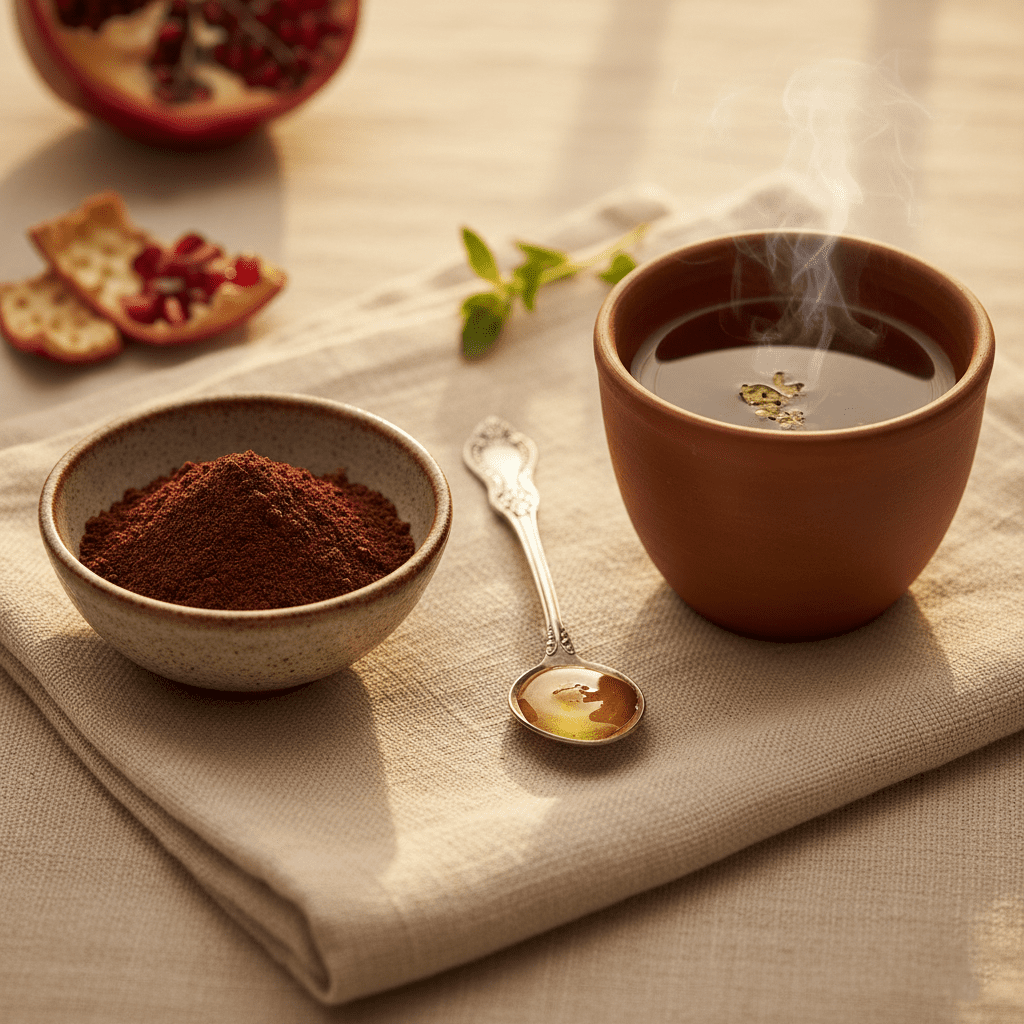
If you are curious about traditional preparation methods, here is a general overview. First, always start with organic fruits to minimize contaminants.
- Source and Clean: Use peels from organic pomegranates and wash them thoroughly.
- Dry: Next, place the peels in a single layer in a well-ventilated, shaded spot until completely brittle. Importantly, avoid direct sunlight to preserve sensitive compounds.
- Grind: Then, break the dried peels and pulse them in a clean grinder to create a fine powder.
- Store: Finally, keep the finished pomegranate peel powder in an airtight container in a cool, dark place.
For more on preserving herbs and natural ingredients, see our guide on Storing Home Remedies.
Considerations and Traditional Uses of Pomegranate Rind
In folk practices, people sometimes mix a small amount of this powder with honey or warm water. However, you must understand these crucial points:
- This is not medical advice. A persistent cough can signal conditions like asthma or infections that need a professional diagnosis.
- Consult a doctor first. Always speak with a healthcare provider before trying any new remedy for a health concern.
- Potential interactions: Natural does not always mean safe for everyone. For example, it may interact with medications like blood thinners.
To understand potential interactions better, read our article on Herbal Supplement Safety.
Additional Areas of Wellness Interest
Beyond its traditional use, the pomegranate rind is also interesting for general wellness support. Specifically, areas of interest include:
- Digestive Support: Primarily due to its tannin content.
- Skin Health: Some people use it in homemade face masks for its properties.
- Oral Hygiene: Its compounds are a point of study for oral care.
Final Thoughts on This Natural Powder
Pomegranate peel powder is a fascinating example of how traditional knowledge inspires modern wellness interest. While it represents a part of heritage practices, you should approach it with informed caution. Ultimately, never use it as a substitute for professional medical advice or prescribed treatment.
For further reading on the science behind plant antioxidants, consider this external resource: Click HERE
Disclaimer: This article serves educational and informational purposes only. While it reviews historical and scientific literature, it does not provide medical advice, diagnosis, or treatment recommendations. Never disregard professional medical advice or delay seeking it based on information presented here. The authors and website do not endorse using Euphorbia hirta or any herbal remedy without professional medical supervision. Always consult a qualified healthcare provider before making health-related decisions.
Article written by Mahesh Borsaniya, founder of Borsaniya Wellness Spot. Our mission is to provide trustworthy, evidence-based wellness information rooted in natural and holistic traditions.
Read More Article: Click HERE
Leave a Reply
You must be logged in to post a comment.