
Anger is often misunderstood as a “bad” emotion. In reality, anger is a natural survival signal—an internal alarm that alerts us to injustice, hurt, or boundary violations. The goal of anger management is not to suppress the feeling, but to transform that raw energy into constructive action.
1. What is Anger? Beyond the Outburst
Anger is a normal, adaptive emotional response to perceived threats or frustrations. It exists on a spectrum, from mild irritation to intense rage.
Core Functions of Anger:
- A Boundary-Setter: It signals that a personal limit has been crossed.
- A Motivator: It provides the adrenaline needed to address unfair situations.
- A Communicator: It reveals unmet needs, such as a lack of respect or safety.
2. The Root Causes: Why We Get Angry
Anger is often described as the “tip of the iceberg.” While a trigger might be visible, the underlying causes are usually hidden beneath the surface.
Common Triggers:
- Perceived Injustice: Being treated unfairly or disrespectfully.
- Frustration: Goals being blocked (e.g., traffic or technology failures).
- Threats: Feeling physically or emotionally unsafe.
The “Iceberg” Causes:
- Hurt and Sadness: Anger often acts as a protective shield for deeper pain.
- Fear and Anxiety: A response to a loss of control.
- Past Trauma: Learned patterns from childhood or previous relationships.
3. The Physical Impact: How Anger Affects Your Health
When you get angry, your body enters a “Fight-or-Flight” state. This physiological cascade can be damaging if it becomes chronic.
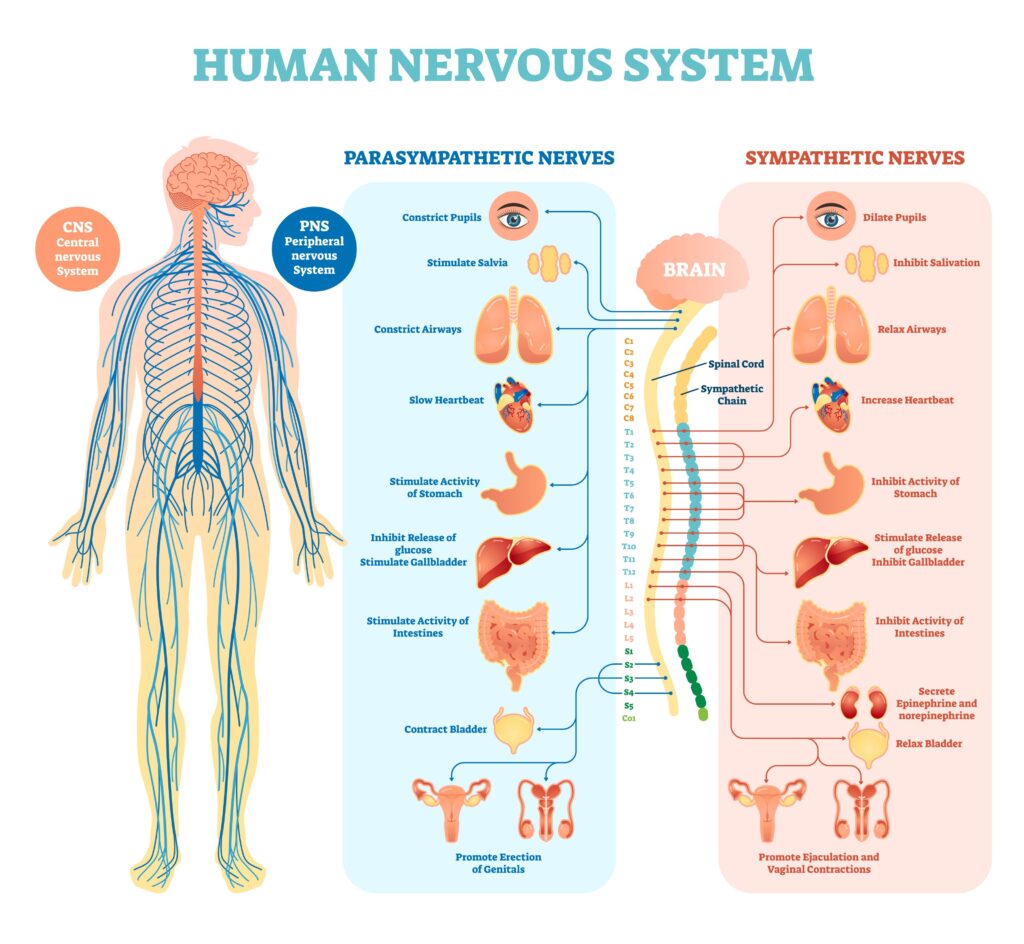
| Body System | Immediate Effect | Long-Term Risk (Chronic Anger) |
| Brain | Amygdala hijacks rational thought. | Increased risk of anxiety and depression. |
| Heart | Heart rate and blood pressure surge. | Hypertension, heart attack, and stroke. |
| Immune | Cortisol levels spike. | Weakened defense against illnesses. |
| Digestion | Blood moves away from the gut. | Acid reflux, IBS, and metabolic issues. |
4. Anger vs. Aggression: The Critical Distinction
It is vital to distinguish between the feeling and the behavior:
- Anger: The internal emotional state (Normal and Valid).
- Aggression: The external action intended to cause harm (Destructive and Harmful).
The Spectrum of Expression:
- Suppressive: “Stuffing” anger down leads to internal stress and passive-aggression.
- Aggressive: Hostile outbursts damage trust and relationships.
- Assertive: The healthy middle ground—stating needs calmly and clearly.
5. Practical Toolkit for Anger Management
Step 1: The STOP Method
As soon as you feel physical signs (clenched jaw, racing heart), use this technique:
- Stop what you are doing.
- Take a deep breath.
- Observe your thoughts and body.
- Proceed with intention.
Step 2: Calming the Nervous System
- 4-7-8 Breathing: Inhale for 4, hold for 7, exhale for 8.
- Grounding: Find 5 things you see, 4 you can touch, 3 you hear, 2 you smell, and 1 you can taste.
- Time-Out: Calmly say, “I am feeling angry. I need 10 minutes to cool down before we continue.”
Step 3: Assertive Communication (“I” Statements)
Instead of blaming (“You always make me mad!”), use this framework:
6. When to Seek Professional Help
Anger is a problem when it becomes uncontrollable or persistent. Consult a licensed therapist if your anger:
- Leads to physical violence or threats.
- Causes you to lose jobs or damage important relationships.
- Is used as a way to cope with substance abuse.
- Always leaves you feeling a deep sense of guilt or shame.
Conclusion: From Reactive to Proactive
Anger management is not about becoming passive; it is about becoming emotionally powerful. By listening to the message behind your anger, you can set better boundaries, advocate for yourself, and build more honest relationships.
Medical Disclaimer: This article is for informational purposes only and does not constitute medical or psychological advice. If you are in a crisis, please contact a mental health professional or emergency services immediately.
Article written by Mahesh Borsaniya, founder of Borsaniya Wellness Spot. Our mission is to provide trustworthy, evidence-based wellness information rooted in natural and holistic traditions.
Explore more on emotional wellness:
- The Science of Mindfulness: Taming Your Inner Critic
- Understanding Anxiety: A Body-Mind Approach
- The Art of Nonviolent Communication
Read More Article: Click HERE



Leave a Reply
You must be logged in to post a comment.